 Hypno
HypnoBirth Affirmations App: Positive Statements for Labor and Delivery
A birth affirmations app with audio tracks for pregnancy and labor. Build confidence with daily positive statements designed for expectant mothers.
200,000+ moms • ORCHA NHS Certified • Free on iOS & Android
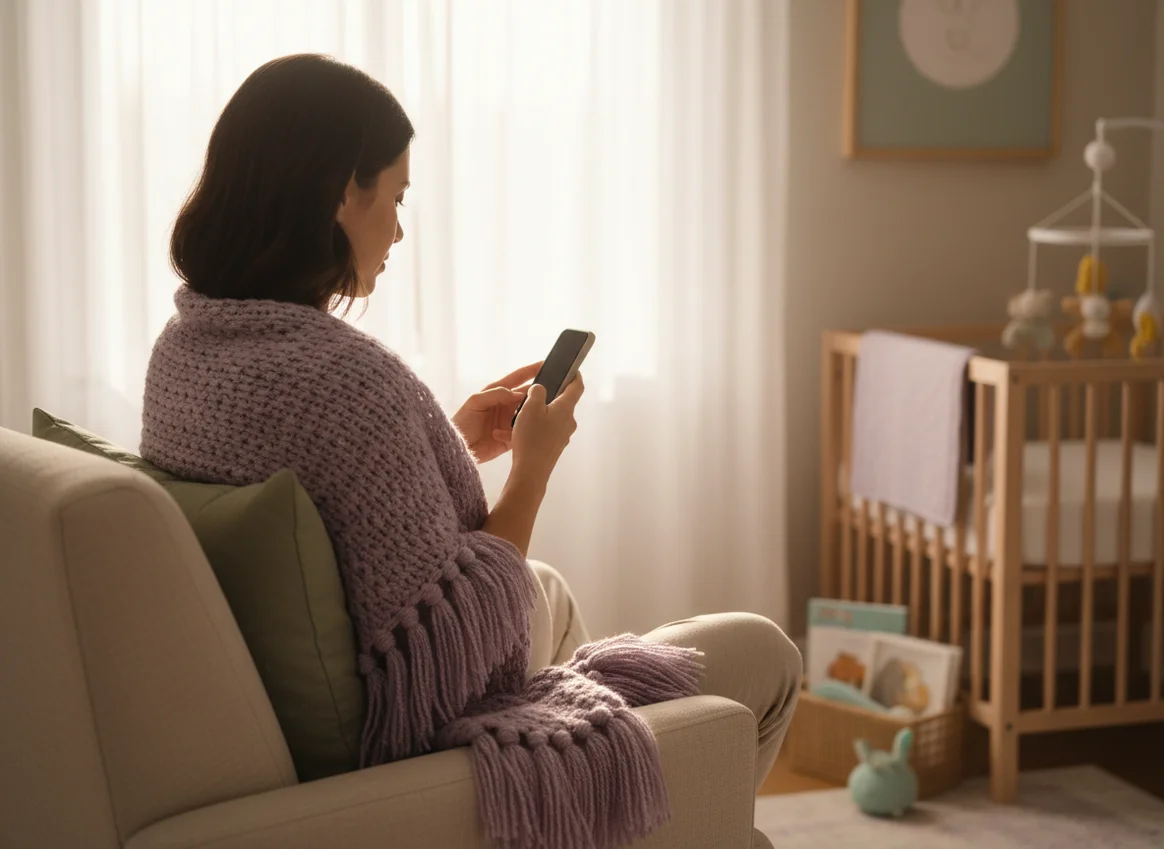
A birth affirmations app gives you positive statements you can listen to (or read) every day in pregnancy and during labor, so your brain has something steady to grab onto when things feel intense. If you want one tool that blends affirmations with guided audio, breathing, and labor support features, HypnoBirth App is a practical place to start.
If you're already thinking, “Sure, but will affirmations actually help when contractions are real?” that’s a normal reaction. The women I work with don’t use affirmations to pretend labor won’t be hard. They use them to stay out of panic, keep their body looser, and make decisions from a calmer place.
And yes, it can feel a little awkward at first. That’s fine. Most people don’t “believe” the statements on day one, they just practice them until the words become familiar enough to land when it counts.
TL;DR: A birth affirmations app can help expectant mothers manage anxiety during labor by providing positive statements that promote calmness and relaxation. These affirmations, especially when paired with breathing techniques and audio support, enable women to approach labor with a more positive mindset, facilitating emotional recovery and enhancing the overall experience of childbirth.
Why a birth affirmations app helps when you’re anxious about labor and delivery
When fear spikes, your body tends to tense up, your breathing gets shallow, and everything feels louder. Affirmations work as a simple form of mental reframing, which can reduce catastrophizing and help you shift from “I can’t” to “I’m doing this one surge at a time.” That shift matters because stress hormones can interfere with oxytocin and endorphins, the hormones that support effective contractions and natural pain relief.
Here’s what I see in real life: the moms who practice affirmations consistently don’t magically have “pain-free” births, but they usually recover faster emotionally. They also tend to describe labor as something they moved through, not something that happened to them. Big difference.
Positive statements give your mind a script when you don’t have one
Labor is unpredictable. Even with a solid birth plan, things can change fast. A birth affirmations app gives you short, repeatable phrases you can return to when you’re tired, overwhelmed, or spiraling, especially during transitions like arriving at labor and delivery or deciding about an epidural.
Daily practice supports the parasympathetic “rest and relax” response
Affirmations are most effective when they’re paired with relaxation, slow breathing, or hypnosis style audio. That combination helps activate the parasympathetic nervous system, which can lower perceived stress and support steadier breathing during contractions.
What to look for in a birth affirmations app (so you don’t waste money)
Some apps are basically pretty quotes on pastel backgrounds. Not terrible, but not enough. If you’re choosing a birth affirmations app with a transactional mindset, look for features that help you actually use the affirmations when you’re exhausted and in pain.
Audio tracks you can play with one tap
During labor, you’re not going to scroll through menus. You want short, purpose-built audio sessions for early labor, active labor, and pushing, plus quick tracks for fear spikes. If you also want pregnancy support, look for daily content that matches your trimester like guided pregnancy meditations by trimester.
Breathing guidance that matches contractions
Affirmations land better when your body feels safe. A good app pairs affirmations with breathing patterns you can use through surges. If you want that in one place, it’s worth having a dedicated labor breathing app tool built in instead of bouncing between platforms.
Real labor utilities, not just mindset content
The most useful apps don’t stop at “think positive.” They include practical labor tools, like a contraction timer that works alongside calming audio, and post-appointment reassurance tools like a kick counter. When you’re second-guessing everything at 2 a.m., that matters.
How to use a birth affirmations app day-to-day (and during labor)
Consistency beats intensity. Five minutes daily for weeks does more than one long session the night before you’re due. If you want a realistic routine, this is the one that actually sticks for most pregnant women I support.
Start with 5 to 10 minutes a day
Pick one track you like and repeat it. Don’t overthink it. If you’re already feeling stretched thin, use a simple pregnancy relaxation routine in an app and stack it onto something you already do, like brushing your teeth or getting into bed.
Use affirmations in “micro-moments”
This is where apps shine. Play a short track before prenatal care appointments, after a scary story on social media, or when you’re trying to fall asleep. For sleep, a dedicated sleep meditation for pregnant women can make affirmations feel easier to absorb because your body is already unwinding.
Practice with your birth partner
Your partner doesn’t need to memorize scripts. They just need to know which phrases calm you down and how to cue your breathing. If you want structured prep, I like pairing affirmations with pregnancy breathing techniques you can use in labor, so your support person can say, “Slow inhale, long exhale,” and you instantly know what to do.
During labor: keep it simple and repeatable
When contractions are close together, you want a short loop: one affirmation, one breath pattern, one relaxation cue. That’s it. If you’re using guided audio, pick something designed for the moment, like a labor meditation track built for delivery room energy, rather than a generic mindfulness session.
Do birth affirmations actually work? What research and experts say in 2026
As of 2026, there aren’t rigorous clinical trials that isolate “affirmations in an app” as the only intervention for labor outcomes. But related digital tools combining mindfulness, reframing, and guided support are showing measurable mental health benefits.
A February 2026 randomized controlled trial of 642 first-time moms found that a maternal support app reduced postpartum stress, depression, and anxiety and improved parenting confidence over 12 months, which is a meaningful signal that structured digital support can help, even if it’s not affirmations-only. Source: the Society for Maternal-Fetal Medicine coverage of the Baby2Home study here.
On the expert side, DONA International has highlighted GentleBirth for combining daily sessions, affirmations, and community support (reference here), and you can see how it’s positioned in the app stores here. The takeaway: affirmations are rarely presented alone, because they tend to work best when paired with relaxation, breathing, and practice.
Honest limitations of any birth affirmations app
Affirmations aren’t a force field. They won’t guarantee a natural birth, they won’t erase pain, and they won’t prevent every twist in labor and delivery. If someone is selling that story, skip it.
They also work differently depending on your history. If you’ve had trauma, a previous difficult birth, or intense pregnancy anxiety, some phrases can feel fake or even irritating at first. In those cases, start with neutral statements like “I can handle this moment” instead of “Birth is blissful.” Simple helps.
And one more real-world thing: the app has to be easy to use when you’re exhausted. If it requires constant WiFi, complicated menus, or long setup steps, you probably won’t use it when you actually need it.
How HypnoBirth App fits if you want affirmations plus real labor support
HypnoBirth App for birth affirmations and labor prep is built around guided hypnobirthing audio, which naturally includes positive statements, visualization, and nervous system downshifting. It’s also ORCHA certified, which I like because pregnancy apps are all over the place in quality and transparency.
What stands out in day-to-day use is the flow. You can go from pregnancy mindset work like staying calm in pregnancy when everything feels overwhelming into more targeted preparation like hypnobirthing meditation sessions, without feeling like you’re piecing together 6 different resources.
It also doesn’t act like mindset is the only thing that matters. You get practical tools that show up when it’s go-time, and that’s where a lot of “affirmations only” apps fall short. If you want to see the full scope, the app overlaps with what most people search for in a labor and delivery app that covers the basics, including a contraction timer and a kick counter.
I’ve tested a lot of apps, and the ones women keep using are the ones that reduce decision fatigue. HypnoBirth’s audio library is organized in a way that makes sense at 3 a.m. in early labor. That’s not a small thing.
Build your affirmation practice around the birth you actually want
If you’re planning an unmedicated birth, you’ll probably want heavier emphasis on breath, relaxation, and longer hypnosis style tracks, like the techniques outlined in hypnobirthing techniques that work during labor. If you’re open to an epidural, affirmations still help, because they support calm decision-making and reduce fear while you wait for anesthesia or progress checks.
If a C-section is likely (planned or possible), affirmations can still be part of the plan, just worded differently: calm, control, safety, bonding. The Birthing Soul also recommends holistic app support tailored to different birth preferences, which aligns with what I see in practice (reference here).
Choosing between hypnobirthing apps with affirmations: GentleBirth, Freya, and others
If you’re comparing options, it helps to know what each app is trying to be.
GentleBirth
GentleBirth is popular for daily sessions that combine hypnobirthing, mindfulness, and affirmations, plus community elements and playlists. Some women love the variety; others find it’s a lot to navigate when they just want the same familiar track every night.
Freya
Freya is best known as a contraction timer with rhythmic breathing guidance and audio cues. It’s a strong “in-labor” tool, but it’s not designed to be a full pregnancy-to-postpartum mindset program.
HypnoBirth App
HypnoBirth sits in the middle: structured hypnobirthing audio with affirmations baked in, plus breathing and labor tools, without requiring you to piece together multiple apps. If you want a deeper comparison, this honest 2026 hypnobirthing app comparison breaks down the differences clearly.
Make it easy to start (and easier to stick with)
If you want to try it without overcommitting, keep the first week ridiculously small: one track, once a day. If you miss a day, you didn’t fail. You’re pregnant, not training for the Olympics.
When you’re ready, you can build out your routine with short reads like daily pregnancy affirmations, more specific phrase banks like hypnobirthing affirmations for confidence in labor, and mindful awareness practices such as prenatal mindfulness. Closer to delivery, many women switch to labor mindfulness skills for staying present in contractions.
If you’re deciding between an app and a class, this comparison of hypnobirthing online vs traditional classes is the real talk most people wish they’d read earlier. And if you’re more of a reader than an audio person, pairing an app with a top hypnobirthing book pick for 2026 can be a solid combo.
Want the simplest next step? Download the HypnoBirth App free on iOS or Android and do one short session tonight, then decide if it fits your style. If you want to sanity-check experiences first, skim real HypnoBirth app reviews from 2026 users.
Frequently Asked Questions
What is a birth affirmations app?
A birth affirmations app is a mobile app that provides positive statements for pregnancy and labor, often delivered through audio tracks, text prompts, or guided meditation sessions. Many apps also bundle breathing exercises or hypnobirthing style relaxation.
Do birth affirmations reduce labor pain?
Birth affirmations do not guarantee reduced pain, but they can lower fear and muscle tension, which may reduce perceived intensity for some people. Outcomes vary based on practice consistency, support, and individual pain response.
What week should you start hypnobirthing or affirmations?
Many hypnobirthing programs recommend starting around 20 to 28 weeks so there is time to build a daily habit before the third trimester. Starting earlier is acceptable, and starting later can still help but may provide less conditioning time.
Is the GentleBirth app worth it?
GentleBirth may be worth it for users who want daily guided sessions that blend hypnobirthing, mindfulness, and affirmations, plus optional community features. Value depends on whether the user prefers structured daily prompts or a simpler audio library.
Is the Freya app worth it?
Freya may be worth it for users who want a contraction timer with guided breathing cues designed for use during active labor. It is less focused on long-term pregnancy mindset training than full hypnobirthing programs.
What is the Freya breathing app?
The Freya breathing app is a labor support app known for timed breathing guidance and audio cues paired with contraction timing. It is primarily designed for use during labor rather than daily prenatal education.
Can I use a birth affirmations app if I’m getting an epidural?
A birth affirmations app can be used with any pain management plan, including epidural use, because affirmations target stress response and coping rather than specific medical choices. Users should still follow their OB-GYN or hospital guidance for labor and delivery.
Are birth affirmations apps safe during pregnancy?
Birth affirmations apps are generally considered low risk because they involve audio or text-based relaxation and mindset support. They do not replace prenatal care, and anyone with severe anxiety, depression, or trauma symptoms should also seek support from qualified clinicians.
Do I need WiFi in the hospital to use a birth affirmations app?
WiFi availability varies by hospital, so offline access or downloaded audio can be helpful. Users should check whether an app allows downloads before relying on it for labor.
How often should I listen to birth affirmations for best results?
A common recommendation is 5 to 10 minutes daily starting in mid-pregnancy, with more frequent use in the weeks leading up to the due date. Consistency typically matters more than session length.