 Hypno
HypnoPregnancy Anxiety Meditation: A Calm Practice Guide for Every Trimester
200,000+ moms • ORCHA NHS Certified • Free on iOS & Android
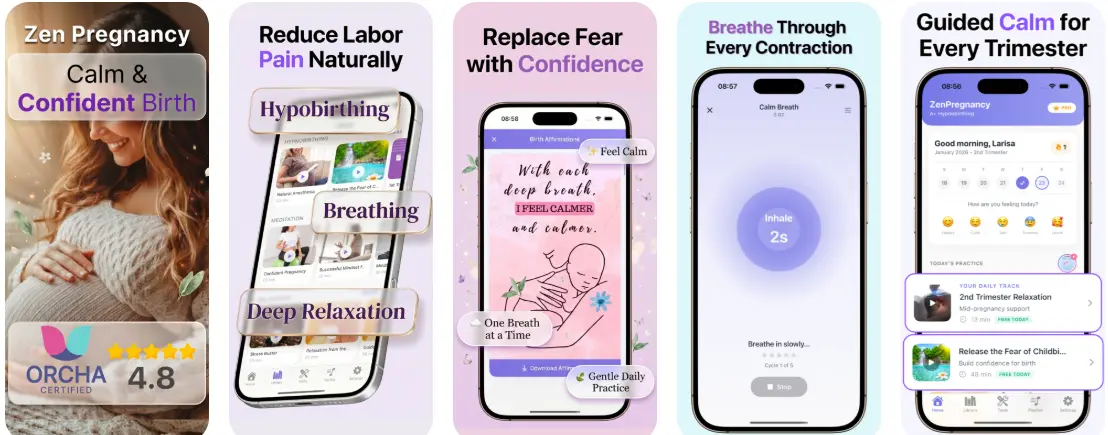
Quick answer: Pregnancy anxiety meditation uses gentle breathing, visualization, and body-scan exercises to help the nervous system move from fight-or-flight toward calm. Within a hypnobirthing framework, these meditations pair surge breathing with birth affirmations, so fear-based thoughts can be met with steadier coping rather than forced positivity.
> Definition: Pregnancy anxiety meditation is a guided mind-body practice that combines controlled breathing, visualization, and non-judgmental awareness to reduce prenatal stress and build coping skills for labor and daily life.
TL;DR
- About 15% of pregnant women experience clinically significant anxiety, and meditation is a low-risk tool shown to reduce it.
- Safe prenatal meditation avoids long breath holds and uses gentle techniques like surge breathing, body scans, and birth visualizations.
- Consistency beats duration. Five to ten minutes daily trains the nervous system more than occasional long sessions.
- Meditation complements but never replaces professional care for severe or persistent anxiety.
- Pregnancy-informed guided meditations can be used during appointments, nighttime wake-ups, and early labor.
What Pregnancy Anxiety Meditation Means in Hypnobirthing
Pregnancy anxiety meditation is a birth-aware calming practice that uses breath, body awareness, visualization, and affirmations to make anxious moments feel more manageable. It is not meant to erase every worry.
General mindfulness often asks you to notice thoughts without judging them. Hypnobirthing adds birth-specific tools, such as surge breathing, calm-birth imagery, and phrases you can repeat during contractions. Good hypnobirthing tools deliver practiced calm, not a promise that birth will be painless or fully predictable.
About 15% of pregnant women experience clinically significant anxiety symptoms, according to a systematic review source. That number matters because many people think they are “failing” at pregnancy when their mind races.
You are not failing.
The goal is to lower the volume. One palm on the bump, one hand feeling the ribs expand, and a longer exhale can be enough to begin.
5 Evidence-Based Facts About Prenatal Anxiety Meditation
- Pregnancy anxiety is common and worth taking seriously. High antenatal anxiety has been linked with emotional strain and physical outcomes, including roughly 1.5 times higher preterm birth risk in a meta-analysis of prenatal anxiety and adverse birth outcomes source.
- Mindfulness-based prenatal practices can reduce distress. A 2021 meta-analysis found pregnancy mindfulness interventions were associated with lower anxiety, depression, and perceived stress compared with controls source.
- Safe techniques stay gentle. Prenatal anxiety meditation should avoid long breath holds, intense breathwork, and restrictive postures. Slow breathing, side-lying body scans, and soft attention are usually more useful.
- Hypnobirthing meditation is birth-specific. It often includes wave or surge breathing, calm-birth visualization, and realistic affirmations like “I can meet one sensation at a time.”
- Short daily practice matters. For most pregnant people, 5 to 10 minutes daily is often easier than one long weekly session because repetition teaches the nervous system what familiar calm feels like.
Sofa cushions behind aching hips count as practice space.
How Meditation for Pregnancy Anxiety Works on the Nervous System
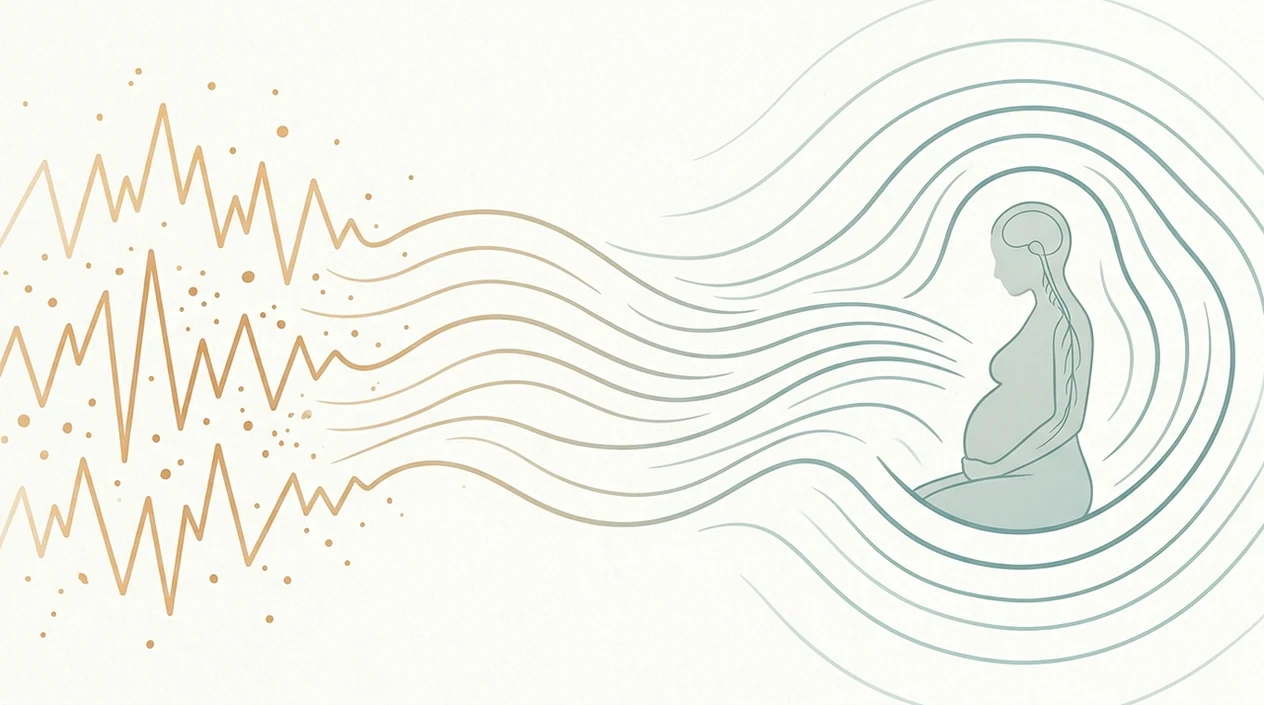
Meditation for pregnancy anxiety works by shifting attention, breath, and muscle tone away from sympathetic activation and toward parasympathetic regulation. In plain language, it helps the body move from alarm mode toward rest-and-digest.
Slow breathing can stimulate the vagus nerve, which helps regulate heart rate, digestion, and stress recovery. A longer exhale is especially useful because it gives the body a clear “safe enough for now” signal. Clinicians typically recommend seeking professional support when anxiety is severe, persistent, or disrupting sleep, eating, appointments, or daily functioning.
Visualization and affirmations also matter. When you repeatedly picture a calm birth room, or rehearse breathing through a contraction, birth becomes less unknown to the brain. A 2012 randomized trial found reduced pregnancy anxiety and depression after mindfulness-based childbirth training, and a 2020 study linked prenatal mindfulness with lower late-pregnancy cortisol.
Repetition is the quiet part. It builds the pathway.

What You Need Before Starting Prenatal Anxiety Meditation
Before starting prenatal anxiety meditation, choose a position that lets your breath move without strain. After about 20 weeks, many providers suggest avoiding flat-on-back rest for long periods; side-lying or a supported recline is usually more comfortable.
A quiet room helps, but it is not required. Headphones can make a short practice easier in a parked car, waiting room, or bed after a bathroom trip. If you have severe anxiety, PTSD, a trauma history, psychosis, or panic that feels unmanageable, check with your healthcare provider or therapist first.
A pregnancy-informed guided meditation can be useful when you do not want to invent the words yourself. Other people prefer a timer and one simple phrase. Either way, expect benefits to build over days and weeks, not from one flawless session.
How to Use Pregnancy Anxiety Meditation: 5 Steps
Use pregnancy anxiety meditation as a five-part sequence: settle, breathe, scan, visualize, and return. Start with 5 to 10 minutes.
- Settle into a comfortable position with support under your knees, belly, or back.
- Breathe slowly through the nose, then exhale longer through the mouth without holding your breath.
- Scan from forehead to pelvis and soften one area at a time.
- Picture a calm birth or safe place while repeating a short affirmation.
- Return attention to the room and notice one change in your body.
Step 1 – Settle Into a Supported Position
Sit upright, recline with pillows, or lie on your side. Let your eyes close or soften, and let the back teeth separate.
Step 2 – Start Surge Breathing
Inhale slowly through your nose. Exhale through your mouth for a little longer, as if fogging a mirror.
Step 3 – Scan and Release Body Tension
Notice the forehead, jaw, shoulders, ribs, belly, pelvis, legs, and ankles. Release tension without arguing with it.
Step 4 – Visualize a Calm Birth With Affirmations
Picture dim light, steady support, and one contraction at a time. Repeat, “I can soften around this wave.”
Step 5 – Return Gently and Reflect
Open your eyes slowly. Name what changed, even if the answer is only, “My jaw feels less tight.”
Common Myths About Meditation for Pregnancy Anxiety
Meditation for pregnancy anxiety does not need to work instantly to be useful. It often works like muscle memory, through small repeated signals of safety.
| Myth | Reality |
|---|---|
| Meditation should eliminate all fear. | It usually lowers intensity and improves coping, rather than removing every worry. |
| If I am not calm right away, I am doing it wrong. | Benefits tend to build with consistency over days or weeks. |
| Hypnobirthing guarantees painless labor. | It changes your response to sensations, but it cannot guarantee a pain-free birth. |
| Slow breathing could harm the baby. | Gentle, evidence-informed breathing is safe for most pregnancies, unless your clinician gives different advice. |
The rain-sounds track may play under nighttime thoughts, and your mind may still wander. That is not failure. If you want the wider safety discussion, the guide on are hypnobirthing apps safe covers app quality, positioning, and when to adapt practice.
Common Mistakes When Using Meditation for Pregnancy Anxiety
The most common mistakes are trying too hard, expecting instant calm, or using meditation when support is actually needed. Pregnancy anxiety meditation should feel steady and adaptable, not like another test to pass.
- Choose gentle breathing instead of forceful inhales, intense breathwork, or long holds. Let the exhale lengthen naturally, and stop if you feel dizzy, breathless, or more panicked.
- Repeat short sessions rather than judging one practice as a success or failure. Five quiet minutes today and again tomorrow can teach the body more than one perfect 30-minute session.
- Support your position as pregnancy changes. Later in pregnancy, use side-lying, upright sitting, or a reclined setup with pillows instead of lying flat on your back for a long track.
- Keep your eyes open if closing them makes you feel trapped, floaty, or unsafe. Look at a lamp, the wall, or your own hands and let the room become part of the grounding.
- Ask for help when anxiety is persistent, severe, or affecting sleep, eating, appointments, or relationships. Meditation can sit beside therapy, medication, birth planning, and emotional support.
When to Use Prenatal Anxiety Meditation Beyond Quiet Sessions
Prenatal anxiety meditation is often most useful in imperfect moments, not only during calm practice. A 60-second version can fit inside an appointment, a workday, or early labor.
Use micro surge-breathing during monitoring appointments, blood draws, or while waiting for test results. Keep your eyes open, feel your feet, and make the exhale slightly longer. At 3:17 a.m., with the phone glow dimmed and a pregnancy pillow between your knees, try a side-lying body scan instead of another search spiral.
During early contractions, pair the breathing pattern with a practiced image, such as a wave rising and falling. Between therapy sessions, app tracks can work as homework, not replacement care. For night-specific support, an app to help pregnancy anxiety at night may be easier than choosing a meditation when you are already tired.
When to Seek Professional Help for Pregnancy Anxiety
Seek professional help when pregnancy anxiety starts interfering with ordinary care or safety. Meditation can support your nervous system, but it is not a replacement for medical or mental health treatment.
Contact your midwife, OB, GP, therapist, or mental health team if anxiety is disrupting sleep, eating, work, relationships, or prenatal appointments. Also reach out if panic attacks feel unmanageable, trauma memories are being triggered, intrusive thoughts feel frightening or sticky, or you notice symptoms that could suggest psychosis, such as hearing or seeing things others do not, feeling extremely suspicious, or feeling detached from reality.
- Call your clinician and describe what has changed, including sleep, appetite, panic, intrusive thoughts, and appointment avoidance.
- Ask directly about options such as therapy, medication that is appropriate in pregnancy, or referral to a perinatal mental health specialist.
- Seek urgent help immediately if you have thoughts of self-harm, fear you may harm someone else, feel unsafe, or cannot stay alone safely.
- Use meditation as a bridge while waiting for support: keep it short, open-eyed if needed, and stop if it increases distress.
Limitations
Pregnancy anxiety meditation has real value, but it has clear limits. It should support care, not stand in for it.
- It is not a substitute for medical or psychological treatment when anxiety is severe, persistent, or affecting daily life.
- Research generally shows moderate improvements, not dramatic cures; the evidence base is still growing.
- Trauma survivors, or people with PTSD or psychosis, may find eyes-closed or body-focused practices triggering.
- Some people need open-eye meditation, movement, or therapist-guided grounding instead of stillness.
- Meditation apps vary widely; not all are made by clinicians or pregnancy-informed educators.
- Meditation alone cannot fix financial strain, relationship conflict, unsafe housing, or medical complications.
- Individual results differ. Some people need medication, therapy, social support, or birth-team planning too.
If practice makes you feel more panicked, stop. Reset the plan. The page on hypnobirthing side effects explains when relaxation techniques may need extra support or adaptation.
See also: First Trimester Meditation App for Anxiety, Sleep, and Early Pregnancy Calm.
See also: Pregnancy Panic Attack Meditation: Grounding Steps and When to Get Help.
See also: Pregnancy Insomnia Meditation: Calm Audio for Restless Nights.
Read more
- App To Help Me Sleep While Pregnant
- App To Help Me Stay Calm During Labor
- App To Help Pregnancy Anxiety At Night
- Best Pregnancy Meditation App
- Calm vs Hypnobirthing App for Pregnancy
- Find Calm Birth Preparation
- First Trimester Meditation App Guide
- Fourth Trimester Meditation Guide
- Free Pregnancy Meditation App
- Guided Meditation for Pregnancy: Calm Birth Prep
- Headspace Pregnancy Meditation Alternative
- Hospital Bag Meditation App Checklist
Best Pregnancy Anxiety Meditation App for Calm Trimester-by-Trimester Practice
HypnoBirth App offers free hypnobirthing tracks designed to support relaxation, calmer breathing, and birth confidence during pregnancy. With 200k+ users and ORCHA NHS certification, it can be a gentle companion alongside your usual maternity care.
Best for
- Short calming practices for pregnancy anxiety and everyday overwhelm
- Building a relaxation routine that supports birth preparation
Limitations
- Not a replacement for therapy, crisis support, or medical care
- Results vary, and it should be used alongside professional advice if anxiety feels severe or persistent
Frequently Asked Questions
What is pregnancy anxiety meditation?
Pregnancy anxiety meditation is a guided relaxation practice designed to calm the mind and body during pregnancy. It often uses breathing, body awareness, visualisation, affirmations, or hypnobirthing techniques to reduce tension and support confidence. It is not a replacement for medical care, therapy, or crisis support.
Can meditation help with pregnancy anxiety?
Yes, meditation can help some pregnant people manage everyday anxiety by supporting slower breathing, relaxation, and a calmer focus. Regular practice may make it easier to notice anxious thoughts without becoming overwhelmed by them. If anxiety feels severe, persistent, or unsafe, contact your midwife, GP, mental health professional, or emergency services.
How do I meditate when I feel anxious during pregnancy?
Start with a short, simple practice when you feel anxious during pregnancy. Sit or lie comfortably, breathe slowly, relax your shoulders and jaw, and bring attention back to a calming word or guided audio whenever your mind wanders. Even 3 to 10 minutes can be useful if longer sessions feel difficult.
Is pregnancy anxiety meditation safe in every trimester?
Yes, gentle pregnancy anxiety meditation is generally safe in every trimester when practised comfortably. Choose positions that feel supported, avoid lying flat on your back if it makes you dizzy or uncomfortable later in pregnancy, and stop if you feel unwell. Ask your midwife or doctor for advice if you have a high-risk pregnancy or specific medical concerns.
Can I start pregnancy meditation at 38 weeks?
Yes, you can start pregnancy meditation at 38 weeks. Short daily practices can still support relaxation, sleep, and birth confidence in the final days or weeks of pregnancy. Keep sessions simple and focus on breathing, release, and feeling prepared rather than trying to learn everything at once.
Does pregnancy anxiety meditation help first-time mums prepare for birth?
Yes, pregnancy anxiety meditation can help first-time mums feel more prepared by building familiarity with relaxation and breathing techniques. It may also support confidence when thinking about labour, birth choices, and coping strategies. It does not guarantee a particular birth experience, but it can be a helpful preparation tool.
Can I use pregnancy anxiety meditation if I plan to have an epidural?
Yes, you can use pregnancy anxiety meditation if you plan to have an epidural. Meditation and hypnobirthing techniques can support calm decision-making, breathing, and comfort before, during, or after pain relief. They are compatible with many birth plans, including medicated births and caesarean births.
What is the best meditation for pregnancy anxiety?
The best meditation for pregnancy anxiety is one that feels calming, easy to repeat, and safe for your body. Many people prefer guided pregnancy meditations with breathing cues, body scans, visualisations, or positive birth affirmations. Choose a practice that reduces pressure rather than adding another task to get right.
How often should I practise pregnancy anxiety meditation?
A good starting point is 5 to 10 minutes of pregnancy anxiety meditation most days. Short, consistent practice is usually more realistic than occasional long sessions, especially when tired or busy. You can also use a brief breathing practice during anxious moments, appointments, or before sleep.
Can pregnancy anxiety meditation help me sleep?
Yes, pregnancy anxiety meditation can support sleep by helping the body shift into a more relaxed state. A bedtime body scan, slow breathing, or calming audio may reduce racing thoughts and physical tension. If insomnia is severe or linked with distress, speak with your healthcare provider for personalised support.
Is a pregnancy meditation app better than a hypnobirthing class?
No, a pregnancy meditation app is not automatically better than a hypnobirthing class; they serve different needs. An app offers flexible, on-demand practice at home, while a class may provide structured teaching, partner involvement, and time for questions. Many people use both, especially if they want daily support between classes.
When should I get professional help for pregnancy anxiety instead of using meditation?
Get professional help for pregnancy anxiety when symptoms feel intense, persistent, or interfere with daily life. Contact a midwife, GP, therapist, or perinatal mental health service if you have panic attacks, intrusive thoughts, hopelessness, difficulty functioning, or fear that you may harm yourself or someone else. Meditation can support wellbeing, but it is not crisis care or a substitute for treatment.