 Hypno
HypnoHypnobirthing Side Effects And Safety Limits
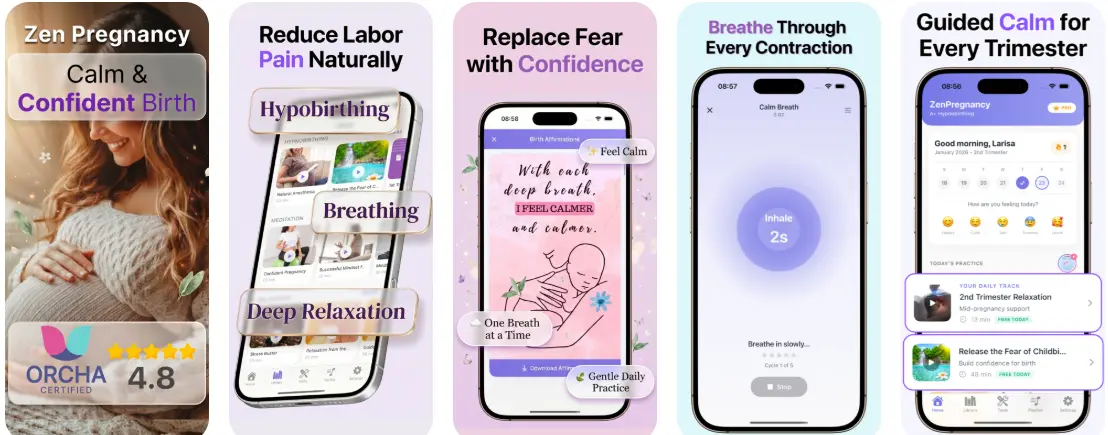
200,000+ moms • ORCHA NHS Certified • Free on iOS & Android
Quick answer: Hypnobirthing side effects are typically mild and temporary, think drowsiness, emotional releases, or light-headedness after deep relaxation, and clinical reviews have not found evidence of increased serious maternal or neonatal adverse outcomes, although the evidence is low-certainty (Cochrane: https://www.cochranelibrary.com/cdsr/doi/10.1002/14651858.CD009356.pub3/full). However, people with trauma histories, dissociative disorders, or untreated mental health conditions should use hypnobirthing only with professional guidance, and everyone benefits from realistic expectations about what the technique can and cannot do during birth.
> Definition: Hypnobirthing side effects are the unwanted or unexpected physical, emotional, or psychological reactions some pregnant people experience when practicing self-hypnosis audios, deep relaxation, or anxiety-release exercises during pregnancy or labor.
TL;DR
- Most hypnobirthing side effects are emotional or comfort-related, not physically harmful to mother or baby.
- People with PTSD, dissociative disorders, or panic disorder should consult a provider before using hypnobirthing audio.
- The biggest indirect risk is unrealistic expectations leading to guilt or shame if birth requires medical intervention.
- Clinical trials report no increase in adverse maternal or neonatal outcomes from hypnosis during pregnancy.
- Hypnobirthing is a comfort tool that works alongside, never instead of, medical care.
What Hypnobirthing Side Effects Actually Mean
Hypnobirthing side effects are usually mild physical sensations or emotional reactions that happen during self-hypnosis, guided relaxation, or birth preparation audio. They are not usually signs of harm to the baby.
Physical effects may include sleepiness, heavy limbs, tingling, or feeling light-headed after a long release breath. Emotional effects can feel more surprising. Some people cry, feel sudden fear, or notice an old birth story coming back while their body is finally quiet.
That search for safety is valid. Pregnancy already comes with enough unknowns, and nobody wants to add risk by pressing play on a guided track at night. I’ve seen people feel reassured once they understand the difference between discomfort and danger.
Clinical literature has not reported serious adverse events from hypnosis used in pregnancy trials. Still, “low risk” does not mean “right for everyone.”
Five Facts About Hypnobirthing Safety And Side Effects
- Hypnobirthing is generally low-risk for routine pregnancies. For emotionally stable adults under regular prenatal care, self-hypnosis is usually treated as a comfort practice, similar to relaxation or breath training.
- Common side effects are short-lived. People most often describe drowsiness, emotional release, light-headedness, or a brief “where was I?” feeling after a guided track.
- Mental health history matters. Untreated psychosis, dissociative disorders, severe PTSD, or panic disorder may increase the chance of distress during hypnosis-style practices.
- The main indirect risk is shame. A birth affirmation should never turn into “I failed” because an epidural, induction, forceps birth, or cesarean became the safest path.
- Evidence is promising but limited. Hypnobirthing may reduce fear and perceived pain for some people, but it is a comfort tool, not a replacement for clinical care. For fear-specific support, fear of childbirth hypnobirthing can be useful when paired with provider guidance.
How Self-Hypnosis During Pregnancy Works
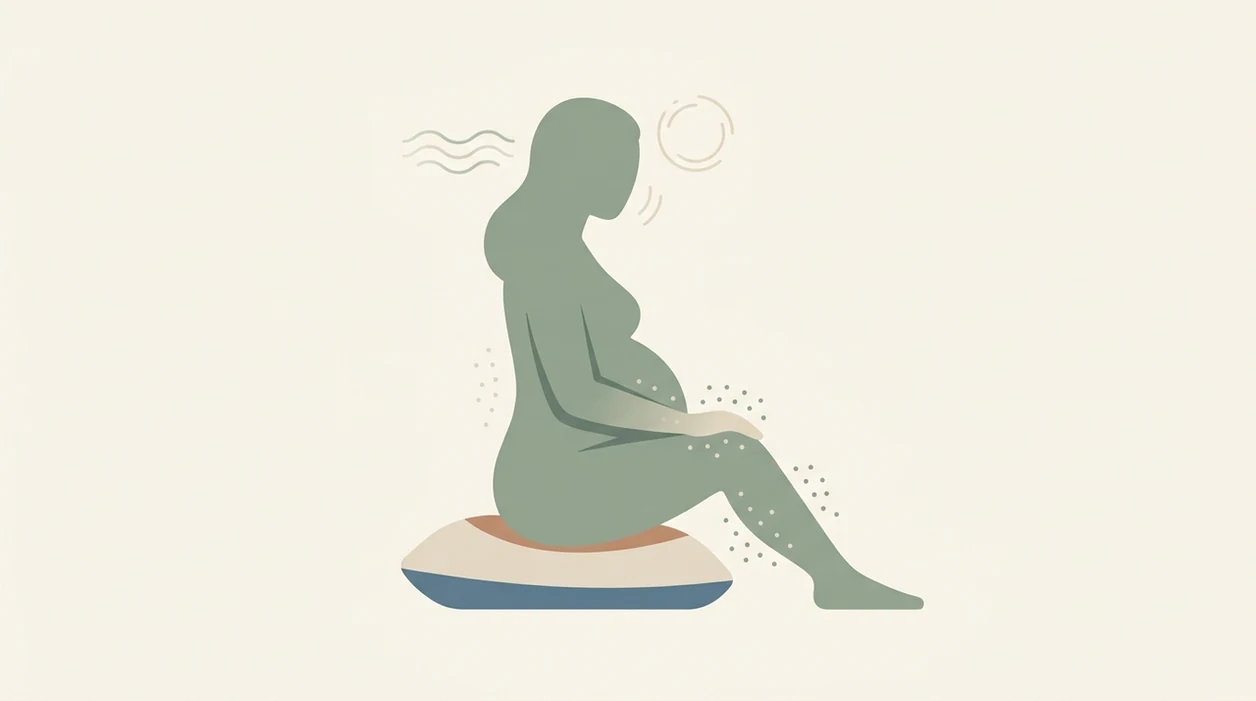
Self-hypnosis during pregnancy works by using repeated relaxation cues, breathing, visualization, and suggestion to shift attention away from threat scanning and toward calm body signals. In plain language, it teaches your brain and body a practiced route back to steadier breathing.
Many scripts aim to reduce the fear-tension-pain cycle. Fear can tighten the jaw, shoulders, pelvic floor, and breath. A guided track may ask you to soften your shoulders, unclench your tongue from the roof of your mouth, and repeat an anchor phrase. First this, then this, then practice it again tonight.
The nervous system piece matters. Deep relaxation may move the body from a sympathetic “alert” state toward a parasympathetic “rest” state. That can bring drowsiness, lower muscle tone, slower breathing, and sometimes light-headedness.
Old feelings can surface when the body gets quiet. Also, app-based hypnosis cannot notice your face, pause for a trauma response, or adapt the script like a trained clinician can.

Common Physical Side Effects Of Hypnobirthing Audio
Physical side effects from hypnobirthing audio are usually temporary comfort responses, not signs that something is wrong with the pregnancy. They often fade within a few minutes after you sit up, drink water, or return to normal breathing.
Common sensations include drowsiness during the track, sleepiness afterward, light-headedness, and brief disorientation. Some people notice tingling fingers or heavy legs. That heaviness often comes from a parasympathetic relaxation response, where the body is no longer bracing so hard.
The pillow cave is real.
I often suggest practicing a 12-minute relaxation track with one earbud in while lying on your left side, especially later in pregnancy. Sit up slowly afterward. If dizziness continues, if you feel faint, or if symptoms arrive with headache, bleeding, chest pain, or reduced fetal movement, stop and contact your maternity provider.
Emotional And Psychological Reactions To Hypnobirthing
Emotional side effects from hypnobirthing can include crying, sudden sadness, anxiety, anger, or old memories surfacing during deep relaxation. That does not automatically mean the practice is dangerous, but it does mean the feeling deserves attention.
Some people relax for the first time all day, then cry before the second affirmation finishes. Others feel anxious when a script asks them to “let go,” especially if control has helped them feel safe. Writing a birth affirmation on the bathroom mirror can help, but it should feel grounding, not like pressure at the 2 a.m. toilet trip.
Trauma Triggers And Dissociation Risk
Trauma memories, numbness, floating sensations, or feeling detached from the room are reasons to pause. Debrief with a partner, doula, therapist, or maternity provider before continuing.
Birth Guilt From Unrealistic Expectations
Hypnobirthing should rehearse calm, not promise a script for birth. If your plan changes, needing help is not a failed practice session.
Is Hypnobirthing Safe For Every Pregnancy
Is hypnobirthing safe for every pregnancy? No; hypnobirthing is usually safe for routine pregnancies, but some medical and mental health situations need provider guidance before unsupported use.
For most people with regular prenatal care, short breathing practice and gentle guided relaxation are low-risk. Clinicians typically recommend using complementary comfort tools alongside standard maternity monitoring, not instead of it. That means your blood pressure checks, scans, fetal monitoring advice, and emergency instructions still come first.
Who Should Consult A Provider First
Consult a provider first if you have untreated psychosis, dissociative symptoms, severe PTSD, panic disorder, placenta previa, severe preeclampsia, complex cardiac concerns, or any high-risk pregnancy plan. Generic audio has not been tested for every condition.
When To Pause Or Stop A Session
Stop if you feel panicky, detached, faint, unsafe, or unable to reorient. If nighttime anxiety is the main issue, a gentler app to help pregnancy anxiety at night may fit better than deeper hypnosis tracks.
When To Seek Medical Or Mental Health Help
Seek medical or mental health help whenever hypnobirthing symptoms feel unsafe, persist after you stop, or overlap with pregnancy warning signs. Routine discomfort is brief, mild, and settles with changing position, opening your eyes, drinking water, or choosing a lighter track.
Use this as a practical stop-and-check sequence:
- Stop practice immediately for vaginal bleeding, severe abdominal pain, regular painful contractions before term, leaking waters, reduced or absent fetal movement, severe headache, vision changes, chest pain, shortness of breath, fainting, fever, seizures, or sudden swelling.
- Reorient yourself if the issue feels emotional: open your eyes, name the room, feel your feet, and turn off the audio.
- Notice red flags such as dissociation, feeling outside your body, panic that will not settle, intrusive memories, urges to harm yourself, or feeling unable to care for yourself safely.
- Contact the right person: call your midwife, obstetrician, maternity triage unit, or emergency service for physical warning signs; contact a therapist, perinatal mental health team, or crisis line for psychological distress.
- Ask the same day if dizziness, anxiety, pelvic pain, unusual symptoms, or distress continues beyond the session rather than quietly pushing through.
Common Myths About Hypnosis Pregnancy Side Effects
Hypnosis pregnancy side effects are often exaggerated because people picture stage hypnosis, not a pregnant person listening to a calm audio track in bed. In hypnobirthing, you remain aware and can stop, move, speak, or change position at any time.
One myth is that hypnobirthing is mind control. It is not. You are practicing attention, breathing, and suggestion, and you can reject any phrase that does not fit.
Another myth is that hypnobirthing audio harms fetal brain development. There is no evidence that properly used relaxation audio causes birth defects or fetal brain harm.
A harder myth is that a “real” hypnobirth is pain-free and intervention-free. That is marketing, not science. Good hypnobirthing apps offer repeatable breathing cues, grounding audio, and birth affirmations, not a guarantee that labor will avoid pain relief or medical intervention.
Crying during practice is not proof of danger. Sometimes the body finally stops holding everything in.
What Clinical Research Says About Hypnobirthing Side Effects
Clinical research has not found serious adverse events linked to hypnosis for childbirth, but the evidence base is still limited and mixed. The honest reading is “possibly helpful for fear and pain perception,” not “proven to change every birth outcome.”
- A 2023 randomized controlled trial of 80 women found lower pain and fear scores in the hypnobirthing group, with no adverse events reported.
- A 2021 systematic review of 12 self-hypnosis labor studies found few well-designed trials and said evidence was insufficient to confirm effects on pain, birth mode, or other outcomes.
- According to a Cochrane review, women using hypnosis may be less likely to use pharmacologic pain relief, with no clear evidence of increased adverse maternal or neonatal outcomes; the authors rated much of the evidence as low quality (https://www.cochranelibrary.com/cdsr/doi/10.1002/14651858.CD009356.pub3/full).
- A 2008 cohort of 1,222 pregnant women reported lower epidural use with antenatal hypnosis, with no difference in Apgar scores or neonatal intensive care admissions.
- A 2010 trial of 680 first-time mothers found no significant change in cesarean rates and no increase in complications.
Because study designs, hypnosis scripts, teacher training, and outcome measures vary, these findings should be treated as safety-reassuring but not proof that hypnobirthing reliably changes birth mode or pain-relief use.
For most pregnant people, hypnobirthing is often easier to evaluate as a coping skill than as a birth-outcome intervention because daily practice changes behavior before it changes statistics.
Sources And Review Process
This page uses the strongest available maternity and hypnosis evidence first, then keeps the advice inside cautious safety boundaries. It is written as general education, not a way to screen your individual pregnancy, mental health history, or birth risk.
The review process follows a simple order:
- Prioritize higher-quality sources such as Cochrane reviews, randomized trials, systematic reviews, clinical guidance, and maternity safety information before smaller observational studies or marketing claims.
- Check side-effect claims against trial adverse-event reporting, review conclusions, and known clinical cautions around hypnosis, trauma, dissociation, panic, and high-risk pregnancy.
- Separate discomfort from danger by treating brief drowsiness or emotional release differently from pregnancy warning signs, persistent distress, fainting, or dissociation.
- Limit app guidance to what generic audio can reasonably do: support breathing, grounding, and practice habits. An app cannot examine you, review scans, adjust medication advice, or decide whether symptoms are urgent.
- Update cautiously when newer trials or guidelines change the balance of evidence, especially around contraindications and safety reporting.
Last reviewed: 22 May 2026. Reviewer credential: not available in the provided page materials.
Safer App-Based Hypnobirthing Boundaries
App-based hypnobirthing tools are safest when they use gentle pacing, short practice sessions, and an obvious stop control. That control matters when a relaxation cue feels helpful one day and too intense the next.
App-based practice should stay flexible. You can pause, skip, lower the volume, change position, or choose a lighter breathing exercise instead of a deeper hypnosis track. I like reminders set after brushing teeth because they attach practice to a real habit, not a vague “I’ll do it later” promise.
How to use hypnobirthing more safely:
- Start with short sessions when you are fully awake and not already distressed.
- Practice seated or side-lying so dizziness or heaviness is easier to manage.
- Choose one anchor phrase that feels steady rather than forced.
- Pause immediately if you feel panicky, detached, faint, or unsafe.
- Discuss concerns with your midwife, doctor, therapist, or doula before continuing.
A hypnobirthing app does not replace medical care, promise pain-free birth, or remove the need for clinical decisions.
Medical Disclaimer And Scope
This article is for education only, not individual medical advice or a diagnosis. Your midwife, obstetrician, family doctor, maternity triage team, or mental health clinician should override any app, audio track, birth course, or relaxation suggestion.
Use hypnobirthing as a comfort layer, not as a filter for deciding whether symptoms are serious. Pregnancy can change quickly, and urgent assessment is the safer choice when something feels wrong.
- Seek immediate maternity assessment for vaginal bleeding, severe abdominal pain, regular painful contractions before term, waters breaking early, reduced or absent fetal movement, severe headache, vision changes, chest pain, shortness of breath, fainting, seizures, fever, or sudden swelling of the face, hands, or legs.
- Call your provider promptly if dizziness, panic, dissociation, intrusive memories, or emotional distress continues after a session.
- Follow your care plan first if you have placenta previa, preeclampsia, diabetes, twins or multiples, fetal growth concerns, cardiac disease, previous traumatic birth, or another high-risk pregnancy factor.
- Individualize practice with your clinical team when pregnancy is high-risk, because generic guidance cannot account for your scans, medications, symptoms, or birth setting.
Limitations
Hypnobirthing has real limits, and those limits should be named before anyone builds a birth plan around it.
- High-quality large randomized trials are still limited, so dramatic claims about guaranteed outcomes are marketing, not established fact.
- Hypnobirthing is not a substitute for medical care, fetal monitoring, blood pressure checks, or timely birth interventions.
- Some users experience increased anxiety, trauma triggering, distress, or discomfort with the feeling of “letting go.”
- Generic hypnobirthing audio has not been tested for every high-risk condition, medication profile, trauma history, or psychiatric diagnosis.
- App-based hypnosis cannot respond in real time to dissociation, panic, intrusive memories, or complex mental health needs.
- Over-reliance on “mind over body” thinking can delay asking for pain relief, assessment, or urgent help.
- Results vary. One person may say, “I know what to do with my breath now,” after a week; another may feel irritated by the same script.
Use the tool, but keep your care team in the room. Literally or practically.
If you are comparing digital tools, are hypnobirthing apps safe is the better question than whether any single method can control birth.
See also: What Happens When You Practice Hypnobirthing.
Read more
- About HypnoBirth App: Calm Birth Support
- Are Hypnobirthing Apps Regulated
- Are Hypnobirthing Apps Safe
- Birth Partner Hypnobirthing App Guide
- App for Natural Birth Preparation: What to Choose
- Best Birth Meditation App for Calm Labor
- Best Contraction Timer App for iPhone: 2026 Guide
- Best Hypnobirthing App 2026: Top Picks
- Does Hypnobirthing Work for First Births? Guide
- Free Hypnobirthing App for iPhone: Calm Birth
- How to Start Hypnobirthing: Beginner Guide
- Hypnobirthing for C Section Prep: Calm Cesarean
Best Hypnobirthing App for Understanding Side Effects And Safe Practice
HypnoBirth App can help you practise hypnobirthing in a calm, structured way, with relaxation, breathing, and audio tools you can use at your own pace. Hypnobirthing side effects are usually comfort or emotion related, but if practice brings up anxiety, trauma, panic, or distress, it is important to pause and seek appropriate support.
Best for
- Learning gentle hypnobirthing techniques with guided audio
- Building confidence around relaxation, breathing, and birth preparation
Limitations
- It is not a substitute for medical, midwifery, or mental health advice
- It may not be suitable to use without support if hypnobirthing triggers distress, trauma memories, or intense anxiety
Frequently Asked Questions
Does hypnobirthing have side effects?
Yes, hypnobirthing can have side effects, but they are usually emotional or comfort-related rather than physical. Some people feel sleepy, tearful, frustrated, or more aware of worries after relaxation practice. If sessions trigger panic, trauma memories, or ongoing distress, stop and seek support from a midwife, doctor, or qualified mental health professional.
Is hypnobirthing safe during pregnancy?
Yes, hypnobirthing is generally considered safe during pregnancy when used as a relaxation and education tool. It does not replace antenatal care, medical advice, or birth planning with your maternity team. If you have severe anxiety, trauma history, dissociation, or mental health concerns, ask a healthcare professional before using deep relaxation or hypnosis techniques.
Can hypnobirthing make pregnancy anxiety worse?
Yes, hypnobirthing can make pregnancy anxiety feel worse for some people, especially if quiet relaxation brings up fears or intrusive thoughts. This does not mean you have failed; it means you may need a gentler approach or extra support. Speak to your midwife, GP, therapist, or perinatal mental health team if anxiety feels intense, persistent, or hard to manage.
Can hypnobirthing trigger birth trauma memories?
Yes, hypnobirthing can trigger birth trauma memories in some parents, particularly during visualisation, body scanning, or deep relaxation. If this happens, stop the exercise, ground yourself, and choose support rather than pushing through. Trauma-informed counselling, your midwife, or a perinatal mental health professional can help you adapt preparation safely.
Can I start hypnobirthing at 38 weeks pregnant?
Yes, you can start hypnobirthing at 38 weeks pregnant. A shorter approach can still help you learn breathing, relaxation, affirmations, and ways to stay calm during contractions or medical decisions. Keep expectations realistic and focus on simple techniques you can practise daily.
Is hypnobirthing useful for first-time mums?
Yes, hypnobirthing is often useful for first-time mums because it explains labour, fear responses, breathing, and comfort tools in a practical way. It can help you feel more prepared and involved in decisions. It cannot guarantee a pain-free or uncomplicated birth, so it works best alongside good antenatal care and flexible planning.
Can I use hypnobirthing if I want an epidural?
Yes, you can use hypnobirthing if you want an epidural. Hypnobirthing is not only for unmedicated birth; it can support calm breathing, decision-making, positioning, and coping before or after pain relief. Your birth preferences can include both hypnobirthing techniques and medical pain relief.
Does hypnobirthing mean I should avoid medical intervention?
No, hypnobirthing does not mean you should avoid medical intervention. A safe approach to hypnobirthing supports informed choices, calm communication, and flexibility if induction, monitoring, assisted birth, caesarean birth, or pain relief becomes recommended. Always discuss risks and options with your maternity team.
What are the safety limits of hypnobirthing?
The safety limits of hypnobirthing are that it cannot diagnose problems, treat medical conditions, or guarantee a specific birth outcome. It should not be used as a replacement for maternity care, emergency advice, or mental health treatment. Seek medical help urgently if you have reduced baby movements, bleeding, severe pain, or any symptoms your maternity unit has told you to report.
Can hypnobirthing make me feel out of control?
Yes, hypnobirthing can make some people feel out of control if the relaxation feels too deep, unfamiliar, or emotionally intense. You should always be able to stop, open your eyes, move, speak, or choose a different technique. If loss of control, dissociation, or panic happens repeatedly, use grounding exercises and get professional advice.
Is a hypnobirthing app as good as a hypnobirthing class?
A hypnobirthing app can be a good option, but it is not always the same as a live class. Apps are convenient for daily practice, audio tracks, and learning at your own pace, while classes may offer personal guidance, questions, partner practice, and tailored support. If you have trauma, severe pregnancy anxiety, or complex medical needs, personalised professional support may be safer than using an app alone.
Who should avoid hypnobirthing or get advice before trying it?
People with significant trauma, severe anxiety, psychosis, dissociation, or complex mental health needs should get advice before trying hypnobirthing. This does not mean hypnobirthing is impossible, but it may need to be adapted by someone trauma-informed or used alongside professional care. If any practice causes distress, stop and speak to a qualified healthcare professional.