 Hypno
HypnoHypnobirthing Practice Timeline: Week-by-Week Schedule During Pregnancy
200,000+ moms • ORCHA NHS Certified • Free on iOS & Android
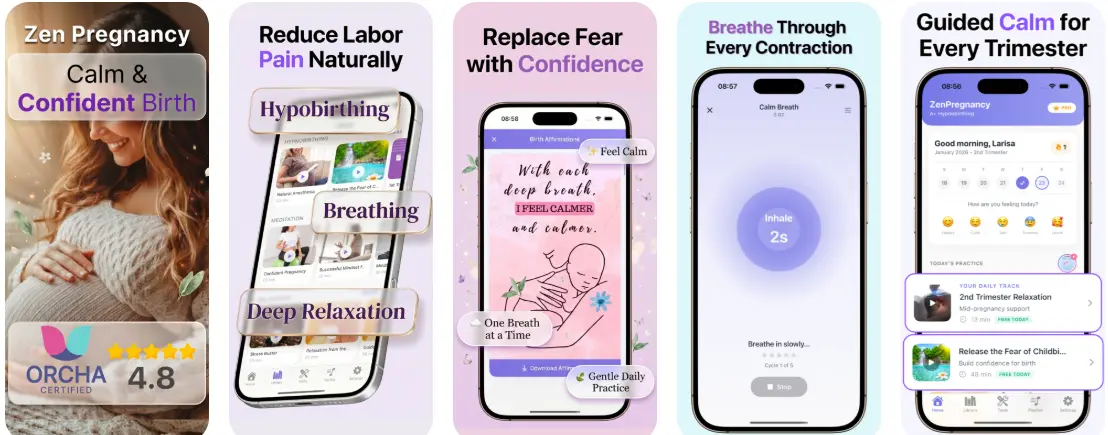
A hypnobirthing practice timeline typically starts between 20–30 weeks of pregnancy, with 15–20 minutes of daily breathing, relaxation tracks, and affirmations that increase as your due date approaches. Starting earlier gives your brain and body more repetitions to make calm responses automatic, but even beginning after 34 weeks can still help. The key is consistent, short practice sessions, not marathon hours, so the techniques feel familiar when labour begins.
This timeline is educational, not medical advice; adapt it with your midwife, OB-GYN, or birth team if you have reduced fetal movement, bleeding, high blood pressure, diabetes, placenta concerns, planned induction, caesarean birth, or any high-risk monitoring.
> Definition: A hypnobirthing practice timeline is a structured week-by-week plan that maps when to start hypnobirthing techniques during pregnancy and how often to practise breathing, relaxation scripts, and affirmations so they become an automatic response by labour.
TL;DR
- Start hypnobirthing practice between 20–30 weeks for best results; earlier is helpful but not required.
- Aim for 15–20 minutes of daily practice split into short sessions: morning breathing, evening relaxation track, affirmations throughout the day.
- Increase frequency and variety of techniques in your third trimester, and adapt your hypnobirthing schedule if birth plans change, including induction, caesarean, or high-risk monitoring.
5 Must-Know Facts About Your Hypnobirthing Practice Timeline
- Most people do well starting between 20–30 weeks. That window gives you enough weeks to repeat breathing, relaxation cues, and birth affirmations until they feel less like “homework” and more like a body memory.
- A realistic daily target is 15–20 minutes. Split it into a five-minute release breath practice and a 10–15 minute guided track. Sofa cushions behind aching hips count.
- Late starters can still benefit. If you begin around 34–36 weeks, practise daily and keep the plan simple. One breathing pattern, one relaxation cue, one anchor phrase.
- Repetition matters more than variety. The most useful hypnobirthing schedule is often boring on purpose because the same cues train the same calm response.
- Hypnobirthing supports medical care, it does not replace it. Keep your midwife, doctor, or birth team involved, especially if your pregnancy becomes higher risk.
You’re not trying to become a different person. You’re rehearsing one calm response often enough that it’s easier to reach for under pressure.
What a Hypnobirthing Schedule Looks Like at a Glance
A hypnobirthing schedule usually moves through three phases: foundation, deepening, and integration. The plan starts small, then adds more layered practice as labour gets closer.
| Pregnancy stage | Main focus | Session length | Frequency |
|---|---|---|---|
| --- | --- | ---: | --- |
| Weeks 20–28 | Foundation phase: one breathing technique, one relaxation track, simple birth affirmations | 5–15 minutes | Daily or almost daily |
| Weeks 28–36 | Deepening phase: visualisations, affirmations, partner cues, Braxton Hicks practice | 15–20 minutes total | Daily, split into micro-sessions |
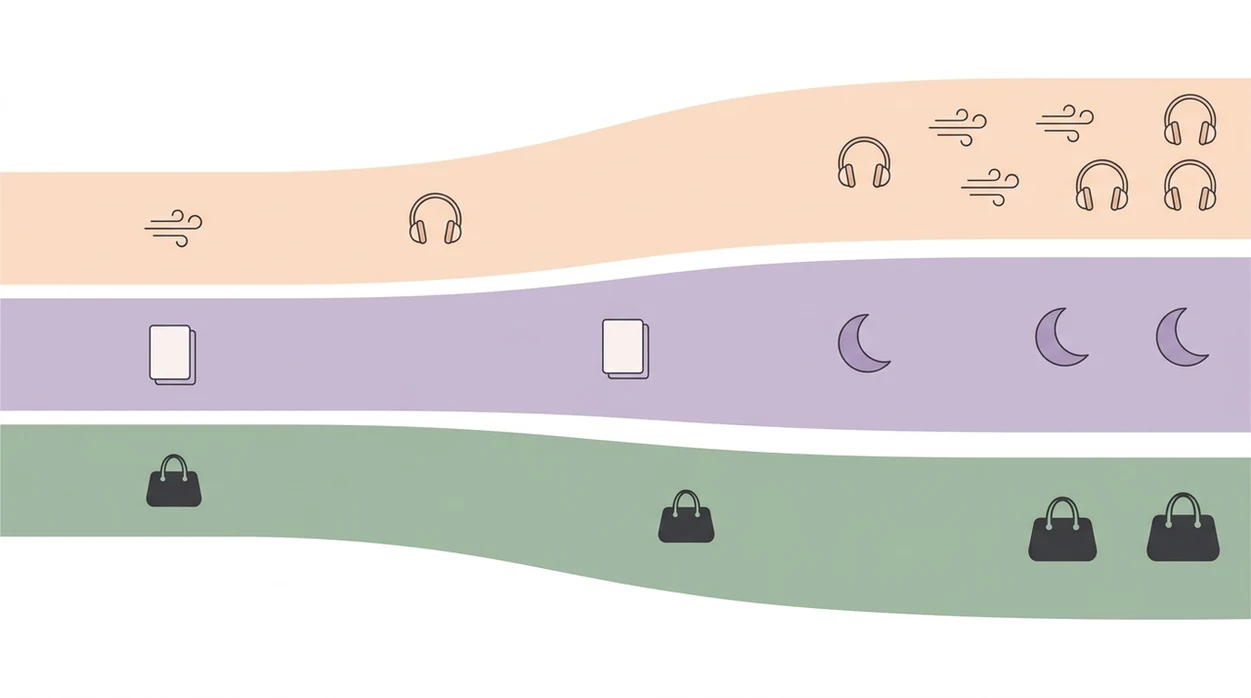
| Weeks 36–birth | Integration phase: layered practice, labour rehearsals, app timer, hospital bag prep | 20 minutes, sometimes split | Daily, with real-world practice |
For most pregnant people, short daily practice is easier than saving everything for Sunday night because the cues stay fresh in your body. If you’re comparing formats, the hypnobirthing app vs course question usually comes down to structure, cost, and whether you’ll actually practise after dinner when your brain is tired.
Before You Start: Safety Checks and Practice Setup
Before you start, make your hypnobirthing practice safe, simple, and known to your care team. The goal is calm rehearsal, not pushing through symptoms or using tracks in situations where you need full alertness.
- Tell your birth team that you’re practising relaxation, breathing, or self-hypnosis, especially if you have extra monitoring, medication changes, or a planned procedure.
- Choose a supported position before pressing play. After the second trimester, many people feel better side-lying, semi-reclined, or propped with pillows rather than flat on their back.
- Keep sessions short if dizziness, nausea, breathlessness, panic, or increased anxiety shows up. Pause, change position, sip water, and mention repeated symptoms to your midwife or doctor.
- Use audio only while resting in a safe place. Do not listen to deep relaxation tracks while driving, cooking at a hot stove, or bathing alone.
- Adapt the timeline if your plan changes. Induction, caesarean birth, or high-risk monitoring may mean shorter tracks, more eyes-open breathing, or practice that fits around appointments.

How Hypnobirthing Practice Works on Your Brain and Body
Hypnobirthing practice works by training a conditioned relaxation response, which means your body learns to pair a breath, phrase, sound, or touch with a calmer nervous system state. Repetition supports the parasympathetic nervous system, the branch involved in rest, digestion, and recovery.
In plain language, you’re teaching your body a shortcut.
The classic fear-tension-pain cycle says fear can tighten muscles and increase distress, which may make sensations feel harder to manage. Self-hypnosis, release breathing, and guided relaxation aim to interrupt that loop before tension takes over. Short daily sessions often work better than occasional long ones because habit loops and neuroplasticity depend on repeated cues, not rare intensity.
In a randomized controlled trial of 680 pregnant women, antenatal hypnosis training was linked with higher rates of no pharmacological analgesia use in labour, 27.9% versus 17.3% in usual care source. Another randomized trial of 122 women found lower labour pain intensity and a higher sense of control in the hypnosis group source. For a fuller evidence discussion, the does hypnobirthing work guide looks at outcomes without promising certainty.
When to Start Hypnobirthing: Choosing Your First Week
When should I start hypnobirthing? Start hypnobirthing between 20–30 weeks if you can, because that gives you roughly 10–20 weeks to repeat the same breathing, relaxation, and affirmation cues before labour.
You do not need to begin in the first trimester. Many people are still managing nausea, fatigue, scans, or the strange mental fog of early pregnancy. Wait until you have enough bandwidth to practise without resentment. That might be after your anatomy scan, once nausea settles, or when birth preparation starts feeling real.
If you start after 34 weeks, keep your plan tighter. Practise daily, choose one guided track, and use your release breath during normal stress, such as waiting for an appointment or sitting in traffic. The most common practical way to build confidence late in pregnancy is daily repetition combined with a very small set of techniques.
How to Use a Hypnobirthing Practice Timeline with HypnoBirth App
Use a hypnobirthing timeline by setting your due date, choosing a small practice set, and repeating it at the same points each day. Tools like HypnoBirth App can help by turning the plan into reminders, guided tracks, breathing exercises, affirmations, and contraction timing, not a promise that birth will follow a script.
- Set your due date so HypnoBirth App can map your practice timeline by pregnancy week.
- Choose one core breathing exercise and one relaxation track before adding anything else.
- Schedule two 10-minute daily slots, such as morning breath practice and an evening guided track.
- Layer in affirmations and visualisations from week 28, when third-trimester practice becomes more specific.
- Practise during everyday stress, including commutes, waiting rooms, and bathroom trips, so calm is linked to real life.
- Review your schedule if plans change, including induction, planned caesarean, or extra monitoring.
Set the reminder after brushing teeth. Vague intentions disappear fast. If you’re still deciding what app-based practice includes, what is a hypnobirthing app explains the basic tools without assuming you need a full course.
Weeks 20–28: Foundation Phase of Your Hypnobirthing Schedule
Weeks 20–28 are for building the base of your hypnobirthing schedule. Pick one breathing technique, such as surge breathing, and practise it until your shoulders drop without much thinking.
Use the same relaxation track most days. I often suggest a 12-minute guided track with one earbud in while lying on the left side, because it feels doable even when the day has been long. Repetition over variety is the point here.
Add birth affirmations casually. Try one as your phone wallpaper, one in app notifications, or one written where you’ll see it often. Your partner can start now too. Explain your anchor phrase, what touch feels calming, and what words you do not want during labour. Keep it plain. “Soften your shoulders” is usually more useful than a speech.
Weeks 28–36: Deepening Your Hypnobirthing Practice
Weeks 28–36 are when your practice becomes more layered. Keep the same core breathing, then add guided visualisation tracks, such as a safe place, light glove, or wave imagery if those feel natural to you.
Clinicians and childbirth educators typically recommend practising comfort measures before labour, not first trying them during intense contractions. The UK National Childbirth Trust notes that hypnobirthing tends to become more effective with practice over time, and that self-hypnosis users often report lower pain intensity and less pain relief use source.
Braxton Hicks can become useful rehearsals. When one comes, unclench your tongue from the roof of your mouth, drop your shoulders away from your ears, and use your anchor phrase. Partner practice can include light-touch massage, calm words, and checking whether the room feels too bright. Aim for 15–20 minutes total each day, split across small sessions. For some people, the distinction between hypnobirthing vs meditation helps clarify why labour-specific cues matter.
Weeks 36 to Birth: Integrating Your Hypnobirthing Timeline into Labour Prep
From 36 weeks to birth, your hypnobirthing timeline shifts from learning to integration. Combine breathing, a guided track, and birth affirmations in one sitting when you can, then practise shorter cues during normal life.
Try one or two labour rehearsals at home. Dim the lamp in the living room, test your playlist through a speaker, and practise breathing through a timed “surge.” Some people use the ice-cube exercise with an app timer to rehearse intensity, but stop if it feels stressful rather than useful.
Pack headphones, a charger, and offline access to your tracks in your hospital bag. If you’re planning hypnobirthing for hospital birth, also practise with interruptions, voices, and position changes. A blood pressure cuff during a surge can feel annoying. Nurse adjusting the bed rail. Still, your breath can stay yours.
Practice may reduce pain and anxiety, but it should not be framed as pain elimination.
Common Hypnobirthing Practice Mistakes That Derail Your Schedule
The most common mistake is changing tracks too often. Your brain cannot build a strong relaxation cue if every practice session uses a different voice, script, phrase, and background sound.
Another mistake is aiming for hour-long sessions, then skipping four days because the plan feels impossible. Ten steady minutes usually beats one dramatic catch-up session. Good hypnobirthing apps deliver repeatable breathing, relaxation, affirmations, and timing support, not a guaranteed pain-free labour.
Some people stop practising after a weekend course ends. That leaves the techniques as information, not body memory. Keep using your core cues daily until birth. Also, be careful with the “I did everything right, so I won’t feel pain” idea. It can turn normal labour intensity into shame.
A Cochrane review found hypnosis users were less likely to use pharmacological pain relief, but rated the overall evidence quality as low source. That caveat matters. Hypnobirthing is supportive practice, not a performance test.
When to Contact Your Midwife or Doctor
Contact your midwife, doctor, or maternity unit whenever symptoms feel urgent, unusual, or different from your local plan. Hypnobirthing can help you stay steady while you make the call, but it should never delay medical advice.
Use this simple order if you are unsure what to do:
- Call urgently if your baby’s movements reduce, stop, or feel clearly different, or if you have any bleeding.
- Seek advice promptly for a severe headache, changes in vision, sudden swelling, chest pain, or symptoms that feel frightening rather than just uncomfortable.
- Contact your team if contractions, regular tightening, pelvic pressure, or backache start before 37 weeks, even if your breathing practice helps you stay calm.
- Ask for help if relaxation tracks increase panic, intrusive thoughts, dissociation, or a sense that you cannot come back to the room.
- Follow local guidance if your waters break, fluid leaks, contractions change pattern, or you simply feel that something has shifted.
A calm voice note or app reminder is useful. A clinician’s assessment matters more.
Limitations
A hypnobirthing timeline can make practice clearer, but it cannot control birth. Use it as a guide, then keep adapting with your midwife, doctor, or birth team.
- Evidence for hypnobirthing is promising, but many trials are small, varied, or difficult to compare.
- Practice cannot prevent medical complications, remove the need for monitoring, or guarantee an intervention-free birth.
- Some people find audio tracks, visualisations, or self-hypnosis hard to engage with, especially when anxious or overstimulated.
- Starting very late in pregnancy gives you less time for neurological rewiring, so expectations should stay realistic.
- App-based practice works best with good birth education and clear communication with your care team.
- A rigid schedule can increase stress if you treat missed sessions as failure.
- Induction, caesarean birth, or high-risk monitoring may change how you use the tools, but not make them useless.
For most people, a flexible hypnobirthing schedule works better than a strict one because labour preparation has to survive real life. Half-finished tea on the nightstand. Another bathroom trip in the dark. Begin again tomorrow.
Read more
- About HypnoBirth App: Calm Birth Support
- Are Hypnobirthing Apps Regulated
- Are Hypnobirthing Apps Safe
- Birth Partner Hypnobirthing App Guide
- App for Natural Birth Preparation: What to Choose
- Best Birth Meditation App for Calm Labor
- Best Contraction Timer App for iPhone: 2026 Guide
- Best Hypnobirthing App 2026: Top Picks
- Does Hypnobirthing Work for First Births? Guide
- Free Hypnobirthing App for iPhone: Calm Birth
- How to Start Hypnobirthing: Beginner Guide
- Hypnobirthing for C Section Prep: Calm Cesarean
Best Hypnobirthing Practice App for a Week-by-Week Pregnancy Routine
HypnoBirth App helps you build a steady hypnobirthing practice timeline with guided tracks you can use from early pregnancy through the final weeks before labor. It’s free, used by 200k+ parents, and ORCHA NHS certified, making it a practical companion for consistent at-home preparation.
Best for
- Creating a simple weekly listening routine during pregnancy
- Practicing breathing, relaxation, and birth confidence techniques
- Adapting hypnobirthing sessions as your due date gets closer
Limitations
- It does not replace medical advice from your midwife, doctor, or care team
- Practice results vary, and consistency is more helpful than any single session
Frequently Asked Questions
When should I start practising hypnobirthing during pregnancy?
You can start practising hypnobirthing at any point in pregnancy, but many people begin around 20 to 30 weeks. Starting earlier gives you more time to build relaxation, breathing, and listening habits. A short, consistent routine is usually more helpful than trying to do long sessions occasionally.
Can I start hypnobirthing at 38 weeks pregnant?
Yes, you can start hypnobirthing at 38 weeks pregnant. Focus on simple breathing, relaxation tracks, birth affirmations, and one or two key techniques you can use during labour. Even a short daily practice may help you feel calmer and more prepared, but it cannot guarantee a specific birth outcome.
How often should I listen to hypnobirthing tracks?
Listening to hypnobirthing tracks daily is a common and helpful routine. Many people practise for 10 to 30 minutes a day, especially in the final weeks of pregnancy. If daily listening feels too much, aim for several times a week and increase practice as your due date approaches.
How long should each hypnobirthing practice session be?
A hypnobirthing practice session can be as short as 5 to 10 minutes. Longer sessions of 20 to 30 minutes are useful when you have time to relax fully, but consistency matters more than length. Brief breathing practice throughout the day can also support your main listening sessions.
What is a good week-by-week hypnobirthing practice timeline?
A good hypnobirthing timeline starts with learning the basics, then builds into regular daily practice near birth. In the second trimester, focus on understanding breathing and relaxation; from around 30 to 36 weeks, practise more regularly with tracks and birth partner support. From 37 weeks onwards, keep sessions simple, familiar, and easy to use during labour.
Does hypnobirthing help with pregnancy anxiety?
Hypnobirthing can help some people manage pregnancy anxiety by using calming breathing, relaxation, and positive mental rehearsal. It is not a replacement for professional mental health support, especially if anxiety feels severe, persistent, or overwhelming. Speak to your midwife, GP, or healthcare provider if you are struggling.
Can first-time mums use a hypnobirthing practice timeline?
Yes, first-time mums can use a hypnobirthing practice timeline to build confidence before birth. A structured schedule can make the techniques feel less overwhelming and easier to remember. It can also help birth partners learn how to support breathing, relaxation, and decision-making.
Can I use hypnobirthing if I want an epidural?
Yes, you can use hypnobirthing if you want an epidural. Hypnobirthing is a set of relaxation and coping tools, not a rule about having an unmedicated birth. The techniques can still support calm breathing, communication, and decision-making before, during, or after an epidural.
Is a hypnobirthing app enough or do I need a class?
A hypnobirthing app can be enough for many people who want flexible, self-paced practice. A class may be helpful if you prefer live teaching, personalised questions, or birth partner coaching. Some people use both: a class for learning the method and an app for daily practice.
When should my birth partner start practising hypnobirthing with me?
Your birth partner should ideally start practising hypnobirthing with you by around 30 to 34 weeks. This gives them time to learn your preferred breathing cues, relaxation prompts, and comfort techniques. If you are later in pregnancy, they can still help by joining short practices and reading your birth preferences.
How should I adapt hypnobirthing practice in the final weeks before labour?
In the final weeks before labour, keep hypnobirthing practice simple and familiar. Use the tracks, breathing techniques, and affirmations you already know rather than trying to learn too much new material. Practise positions, partner prompts, and calm decision-making so the tools feel easy to access during labour.
Can hypnobirthing guarantee a calm or pain-free birth?
No, hypnobirthing cannot guarantee a calm or pain-free birth. It aims to support relaxation, reduce fear, and give you coping tools, but labour and birth can be unpredictable. Always follow medical advice and speak with your maternity team about any concerns or changes in your pregnancy.