 Hypno
HypnoCan Hypnobirthing Replace Pain Relief in Labor?
200,000+ moms • ORCHA NHS Certified • Free on iOS & Android
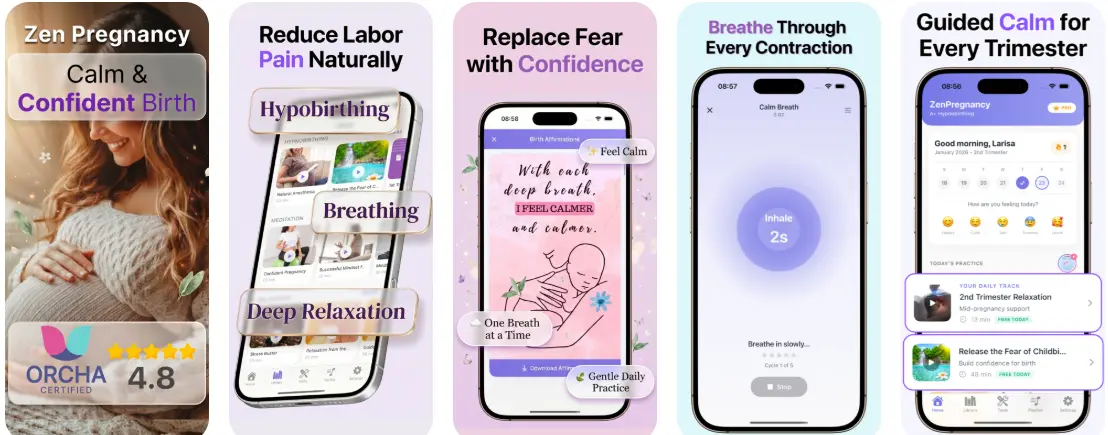
If you're asking, “can hypnobirthing replace pain relief,” the honest answer is usually no. Hypnobirthing can reduce fear, anxiety, and medication requests for some people, but it works best as one layer in a flexible labor pain relief plan.
> Definition: Hypnobirthing is a set of relaxation, breathing, and visualization techniques designed to reduce fear and change how you experience labor pain, rather than eliminating pain entirely.
TL;DR
- Hypnobirthing can lower fear and pain scores but does not guarantee a pain-free birth.
- Research supports it as a coping tool that may reduce medication use, not as a universal replacement for medical pain relief.
- The safest birth plan keeps hypnobirthing and medical pain relief options available side by side.
- Consistent practice with breathing or guided-audio techniques may improve coping, but individual results vary widely.
- Needing an epidural or other intervention does not mean hypnobirthing failed.
What Hypnobirthing Pain Relief Actually Means
Hypnobirthing pain relief means using relaxation, breathing, guided imagery, and calm suggestion to change how labor feels, not to switch pain off like an epidural can.
That distinction matters. Contractions still come. Cervical change still happens. Your uterus still works hard, and your body may still register pressure, stretching, burning, or back pain. Hypnobirthing aims to reduce fear so your body is less tense while that happens.
The question is common because many birth classes and social posts blur the line between coping and eliminating pain. A pillow nest between sore knees at 3 a.m. can make “pain-free birth” sound very tempting.
Guided-audio tools can deliver these techniques through breathing cues, calm scripts, birth affirmations, and practice reminders. That can help you rehearse before labor begins, but it should sit beside your labor pain relief choices, not erase them.
5 Facts About Hypnobirthing and Labor Pain Relief Choices
- Hypnobirthing targets fear and perception. It does not block pain signals in the spinal cord the way an epidural does. It helps many people stay less tense during contractions.
- Research is promising but mixed. Studies show lower fear, lower pain scores, or fewer medication requests in some groups, but the evidence is not strong enough to say hypnobirthing replaces pain relief for everyone.
- It can combine with other options. Hypnobirthing can be used with water, TENS, gas and air, opioids, or an epidural. I’ve seen people keep using slow breathing while a nurse adjusted the bed rail and the monitor belts stayed on.
- Results depend on the whole labor picture. Practice, pain tolerance, labor length, baby position, complications, and birth team support all matter. Back labor with a partner pressing tennis balls into the lower back is a different day than mild early labor at home.
- A realistic plan keeps options open. The safest birth preferences include hypnobirthing and medical pain relief choices side by side. For most people, hypnobirthing is better framed as labor coping support because it can travel with any birth plan.
How Hypnobirthing Changes Labor Pain Perception
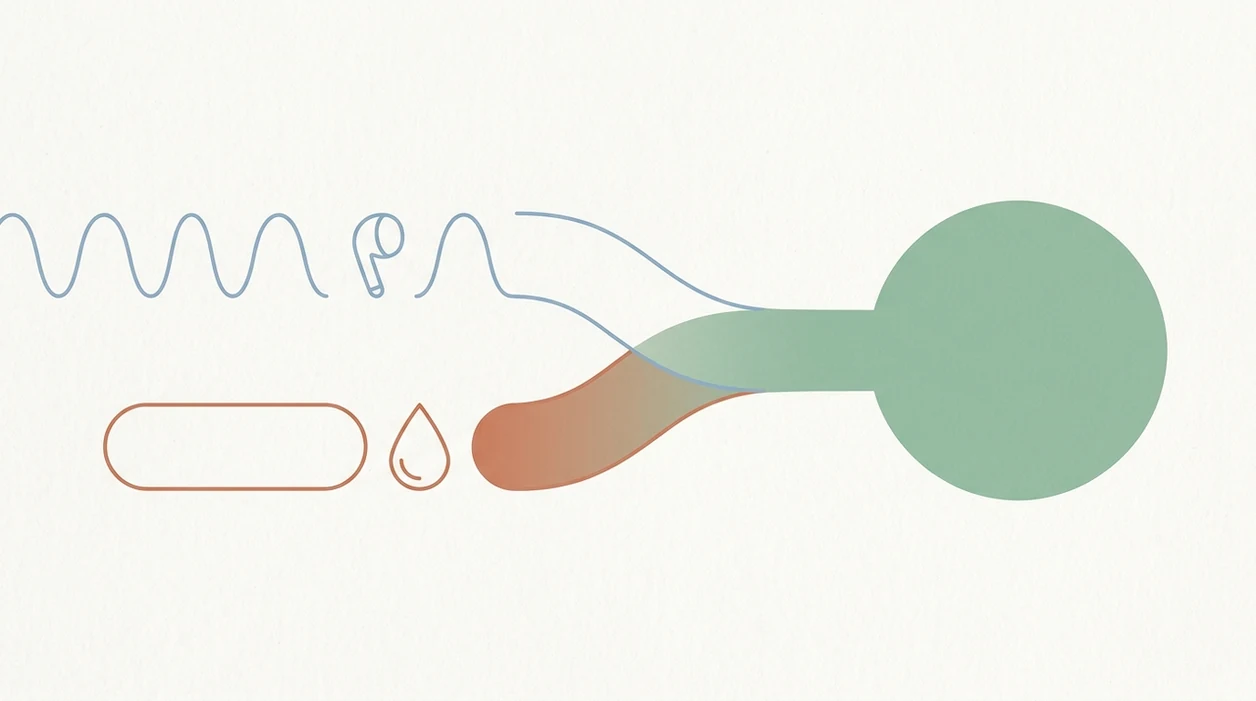
Hypnobirthing works by interrupting the fear-tension-pain cycle: fear tightens the body, tension makes contractions feel sharper, and sharper pain feeds more fear.
The body’s relaxation response moves in the other direction. Slow breathing, repeated phrases, soft focus, and visualization can lower arousal. In plain language, your nervous system gets fewer “danger” messages. Some people also experience better endorphin release, which is the body’s own pain-modulating system.
This changes subjective pain experience. It does not numb the body. Medication can reduce or block pain signals more directly; hypnobirthing changes how your brain and body respond to those signals.
Practice matters because the response becomes easier to find under pressure. The first time you hear the contraction timer app ping in early labor should not be the first time you try the breathing pattern.
It helps many people. But severe pain, long labor, malposition, exhaustion, or complications can overwhelm the technique.

2024 Research on Hypnobirthing Pain Relief
A 2024 randomized controlled trial found that hypnotherapy during childbirth significantly reduced fear of birth and pain scores compared with standard care, but the authors said study limits prevent firm recommendations source.
Another 2024 quasi-experimental study of first-time mothers found lower anxiety, lower pain scores, and shorter labor duration after hypnobirthing training. That is encouraging, especially for people preparing for a first birth, but it is not the same as proving medication will be unnecessary.
A 2016 systematic review found that women using hypnosis were less likely to use pharmacological analgesia, though the evidence was low-quality and varied between studies source. Evidence Based Birth also notes fewer medication requests in several trials, without consistent large pain differences across all studies.
Clinicians typically recommend breathing, relaxation, massage, water, and movement as non-medication coping options, while keeping medical pain relief available when needed. ACOG describes labor pain relief as a menu of non-drug comfort measures and medical options, not a single either-or decision source.
4 Myths About Hypnobirthing Replacing Pain Relief
The first myth is that hypnobirthing guarantees a pain-free natural birth. It does not. Some people feel dramatic relief, while others still want an epidural, gas and air, or other support.
The second myth is worse: if it does not work, you practiced wrong. No. Labor is not a school exam. A long induction, back labor, or a baby in a difficult position can change the whole pain picture.
The third myth says choosing an epidural means hypnobirthing failed. In real rooms, people often keep using the same breathing after medication. A birth partner may still offer a straw cup between contractions instead of asking too many questions.
The fourth myth is that “natural” automatically means safer for everyone. Sometimes medical pain relief is the safer, kinder, more appropriate choice.
Guilt has no useful job here. Needing medication is not a character flaw.
Hypnobirthing or Medical Pain Relief: A Binary Decision You Don't Have to Make
You do not have to choose between hypnobirthing and medical pain relief before labor starts. A pain relief ladder lets you begin with breathing, relaxation, position changes, counterpressure, water, or TENS, then add gas and air, opioids, or an epidural if needed.
Hypnobirthing techniques remain useful after medication. Breathing helps during checks, position changes, pushing, waiting, and moments when plans shift. I’ve dimmed hospital room lights while monitor belts stayed in place, then watched someone use the same calm script through an epidural top-up.
The most common medically supported way to approach labor pain is to start with low-risk comfort measures and add clinical pain relief when the person in labor wants or needs it.
Good hypnobirthing apps deliver practice, cues, and familiar words, not a promise that birth will stay unmedicated. HypnoBirth App can sit alongside any pain relief ladder through guided audio and breathing prompts.
What Hypnobirthing Apps Can and Cannot Promise
Hypnobirthing apps can provide guided meditations, breathing exercises, contraction timing, birth affirmations, and practice reminders. Some, including HypnoBirth App, package these tools into a repeatable routine, but the routine supports coping rather than replacing clinical pain-relief planning.
Consistent practice is the point. A subscription reminder on a calendar does not change labor by itself; actually pressing play several times a week is what gives your body a familiar route back to calm.
No hypnobirthing app should promise a pain-free birth. It does not claim to replace epidurals, gas and air, opioids, or medical judgment.
Users should discuss all labor pain relief choices with their midwife, doctor, or hospital team. If you want a wider safety check, read are hypnobirthing apps safe before choosing any digital birth tool.
3 Labor Pain Scenarios Hypnobirthing Does Not Cover
Hypnobirthing does not cover every kind of labor pain or every birth situation. Responsible education says that clearly before labor begins.
First, medical complications need medical care. Obstructed labor, severe hypertension, placental problems, infection concerns, or fetal distress cannot be breathed away. Calm breathing may help you cope, but it does not treat the problem.
Second, emergencies may require surgical birth, urgent procedures, or stronger analgesia. In those moments, the priority is safety. Soft music under beeping monitors can still be grounding, but it is not the treatment.
Third, some people find that their pain tolerance, exhaustion, or labor pattern makes the techniques provide little relief. That can happen even after steady practice.
If contractions begin and you are unsure what stage you are in, a guide on when to call hospital during labor can help you prepare the next question for your care team.
When to Seek Medical Help During Labor
Seek medical help during labor whenever symptoms feel worrying, unusual, or bigger than your coping tools. Hypnobirthing can keep you steadier while you wait, but it should never be used to postpone clinical advice or urgent care.
Some signs need a direct call, even if your breathing is calm and the room is quiet. Reduced or changed fetal movement, heavy bleeding, severe headache, vision changes, or symptoms that make you worry about high blood pressure should be checked by your care team. The same goes for waters breaking, contractions, or pain that feel concerning rather than simply intense.
If you are unsure, make the next action practical:
- Call your maternity unit, midwife, doctor, hospital triage, or local emergency number.
- Describe what has changed, including baby movements, bleeding, waters, contraction pattern, headache, vision symptoms, swelling, and pain.
- Ask whether you should come in now, keep monitoring, or call back after a set time.
- Request pain relief if breathing, movement, water, massage, or guided audio are no longer enough.
- Use your hypnobirthing track or slow breathing while waiting for instructions or transport, but follow medical advice first.
Medical Safety Note: What This Article Can and Cannot Tell You
This article can explain hypnobirthing as education, but it cannot tell you what is safest for your individual pregnancy or labor. Your own midwife, doctor, or hospital team should guide decisions about pain relief, monitoring, timing, and when to come in.
Use hypnobirthing as a coping tool, not as a filter that makes warning signs seem smaller. Labor pain can be normal, but pain that feels severe, unusual, one-sided, constant, or worrying deserves clinical assessment. Bleeding, fever, reduced or changed fetal movement, waters breaking with concerns, or any sign that your baby may not be coping should be checked by your care team.
If something feels wrong, keep the next step simple:
- Call your maternity unit, midwife, doctor, or local emergency number.
- Describe your symptoms clearly, including pain, bleeding, fever, movement changes, and timing.
- Follow the advice you are given, even if it interrupts your birth plan.
- Use breathing or guided audio while you wait for help, but do not use it to delay urgent care.
Calm is useful. Delay in an emergency is not.
Limitations
Hypnobirthing has real limits, and naming them protects people from shame and unsafe decisions.
- Current evidence is limited. Studies are often small, varied, and not strong enough to prove consistent pain control for most people.
- Regular practice matters. A short class, saved playlist, or app download without ongoing use is unlikely to change labor much.
- It cannot treat medical complications. Obstructed labor, severe hypertension, placental problems, and emergencies need clinical care.
- Individual responses vary widely. One person may feel steadier and request less medication; another may notice almost no pain relief.
- Overpromising can cause guilt. If someone needs an epidural, assisted birth, or cesarean, that does not mean they failed hypnobirthing.
- No professional body, including ACOG, recommends hypnobirthing as a standalone replacement for medical pain relief.
- Digital tools vary in quality, privacy, and regulation. If that matters to you, review pregnancy app privacy and whether are hypnobirthing apps regulated applies to your choice.
Keep the bag packed. Keep the choices open.
See also: Discover Positive Birth Confidence.
Read more
- About HypnoBirth App: Calm Birth Support
- Are Hypnobirthing Apps Regulated
- Are Hypnobirthing Apps Safe
- Birth Partner Hypnobirthing App Guide
- App for Natural Birth Preparation: What to Choose
- Best Birth Meditation App for Calm Labor
- Best Contraction Timer App for iPhone: 2026 Guide
- Best Hypnobirthing App 2026: Top Picks
- Does Hypnobirthing Work for First Births? Guide
- Free Hypnobirthing App for iPhone: Calm Birth
- How to Start Hypnobirthing: Beginner Guide
- Hypnobirthing for C Section Prep: Calm Cesarean
Best Hypnobirthing App for Exploring Pain Relief Choices in Labor
HypnoBirth App can help you practise breathing, relaxation, and guided hypnobirthing techniques that may support coping during labor. It is designed to sit alongside informed pain relief choices, not replace medical advice or limit your options.
Best for
- Preparing a calm, flexible birth plan that includes pain relief preferences
- Practising hypnobirthing tools before labor with free guided sessions
Limitations
- Hypnobirthing may not remove the need or desire for medical pain relief
- Always discuss pain relief options with your midwife, doctor, or care team
Frequently Asked Questions
Can hypnobirthing replace pain relief in labour?
No, hypnobirthing should not be seen as a guaranteed replacement for pain relief in labour. It can help you stay calmer, use breathing techniques and feel more in control, but you should still keep informed options open, including gas and air, epidural or other medical pain relief if needed.
Can I use hypnobirthing and still have an epidural?
Yes, you can use hypnobirthing and still choose an epidural. Hypnobirthing is a coping and preparation tool, not a rule against medical pain relief, and many people use breathing, relaxation and decision-making techniques before, during or after having an epidural.
Does hypnobirthing make labour painless?
No, hypnobirthing does not guarantee a painless labour. Some people find it reduces fear, tension and the intensity of sensations, but labour pain varies widely and you should feel free to choose extra support or pain relief at any point.
Is hypnobirthing enough for a first-time mum in labour?
No one can guarantee that hypnobirthing alone will be enough for a first-time mum in labour. It can be especially helpful for understanding birth, practising breathing and reducing fear, but first-time parents should still learn about all pain relief choices and discuss preferences with their midwife or doctor.
Can hypnobirthing help with pregnancy anxiety before birth?
Yes, hypnobirthing can help some people manage pregnancy anxiety before birth. Relaxation tracks, breathing practice and positive preparation may reduce fear and improve confidence, but persistent or severe anxiety should be discussed with a midwife, GP or mental health professional.
Is 38 weeks too late to start hypnobirthing?
No, 38 weeks is not too late to start hypnobirthing. Even a short amount of practice can help you learn calming breathing, relaxation cues and birth preferences, although starting earlier usually gives you more time to build confidence.
Should I refuse pain relief if I am doing hypnobirthing?
No, you should not feel pressured to refuse pain relief because you are doing hypnobirthing. A positive birth is about informed choice, safety and support, and choosing pain relief does not mean you have failed at hypnobirthing.
Can hypnobirthing reduce the need for an epidural?
Yes, hypnobirthing may reduce the need for an epidural for some people, but it is not guaranteed. By lowering fear and supporting steady breathing, it may help you cope for longer, but your labour, medical situation and personal preferences should guide your choices.
What pain relief options can be used with hypnobirthing?
Most labour pain relief options can be used alongside hypnobirthing. This may include water, movement, massage, TENS, gas and air, opioid medicines or an epidural, depending on your circumstances and what is available in your birth setting.
Is a hypnobirthing app as good as a hypnobirthing class?
A hypnobirthing app can be a useful alternative or supplement to a class, but it is not exactly the same experience. An app offers flexible practice and guided tracks at home, while a class may provide live teaching, questions and partner involvement.
Can hypnobirthing help during an induced labour?
Yes, hypnobirthing can help during an induced labour. Induction can feel more medical or intense for some people, and breathing, relaxation, affirmations and decision-making tools may support coping while you continue to follow clinical guidance.
When should I ask for medical pain relief if hypnobirthing is not enough?
You should ask for medical pain relief whenever you feel you need it. Labour can change quickly, and your midwife or doctor can explain what options are suitable at that stage so you can make an informed and safe choice.