 Hypno
HypnoAre Hypnobirthing Apps Regulated as Health Apps?
200,000+ moms • ORCHA NHS Certified • Free on iOS & Android
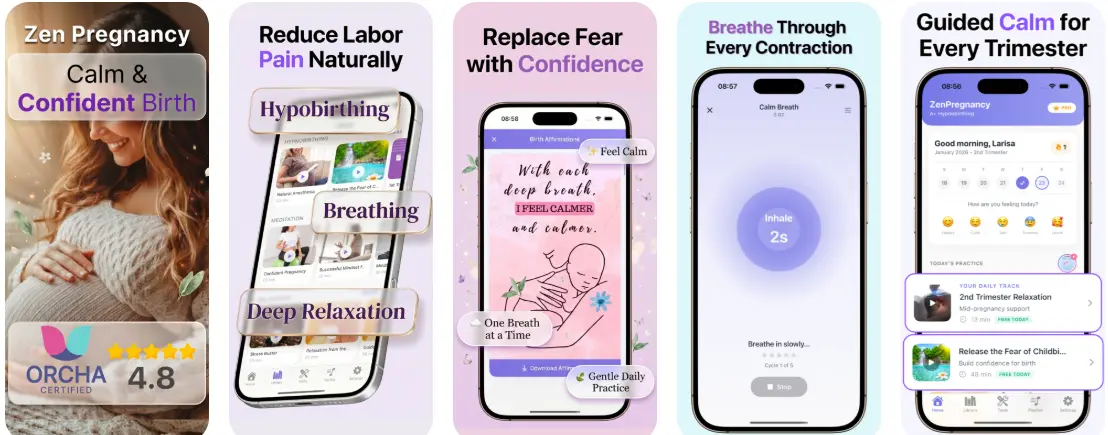
The short answer to "are hypnobirthing apps regulated" is that most are treated as general wellness tools, not regulated medical devices. Regulation depends on the app's stated claims, features, and jurisdiction. Guided breathing and affirmations usually sit outside medical device rules, while software that interprets labor data to guide clinical decisions can cross into regulated Software as a Medical Device.
> Definition: Health app regulation refers to the legal frameworks (EU MDR, UK MDR 2002, FDA SaMD guidance) that determine whether a mobile application must meet medical device standards for safety, clinical evaluation, and market clearance before reaching users.
- Hypnobirthing apps offering meditation, breathing, and affirmations are usually classified as wellness tools and are not regulated as medical devices.
- A contraction timer or pregnancy feature becomes regulated when it claims to diagnose, treat, or guide clinical decisions about labor.
- App store listings, ORCHA ratings, and privacy compliance are not the same as formal medical device approval.
What Health App Regulation Covers for Pregnancy Apps
A pregnancy app becomes a regulated medical device when its intended purpose is to diagnose, prevent, monitor, predict, treat, or guide care for a medical condition. Under the EU MDR, UK MDR 2002, and FDA Software as a Medical Device guidance, regulators look at what the software claims to do, not just the fact that it sits on a phone.
A meditation track for early labor is usually wellness. So are birth affirmations, simple breathing prompts, and general pregnancy relaxation audio. I might suggest those during a group class chat about contractions, but I wouldn't treat them as clinical instructions.
The line moves when an app says it can assess labor progress, detect risk, or tell you what medical action to take. That is where health app regulation starts to matter. Clinicians typically recommend that pregnancy symptoms, reduced fetal movement, bleeding, severe pain, or concerns about labor be discussed with a midwife, doctor, or maternity triage team, not settled by an app.
How Health App Regulation Works for Hypnobirthing and Pregnancy Apps
Health app regulation works through “intended purpose,” which means regulators judge the app by its claims, labels, instructions, and marketing. In plain language, the question is: what is the app promising to do for the user?
Regulator guidance is explicit on this point: the FDA describes Software as a Medical Device by its medical purpose and independence from hardware source, while the UK MHRA explains that software may be a medical device when it has a medical purpose source.
Most hypnobirthing apps sit in the general wellness tier. A smaller group may be low-risk digital health tools. Apps that analyze data and guide clinical decisions can become Software as a Medical Device, or SaMD. Good hypnobirthing apps deliver practice support, not permission to ignore symptoms, delay care, or replace your birth team.
EU and UK Regulatory Path for Pregnancy Apps
In the EU and UK, a pregnancy app that meets the medical device definition may need CE or UKCA marking. It may also need clinical evaluation, risk management, and a quality management system. That paperwork sounds dry, but it matters when a tool makes health claims. Sticky hospital socks, monitor belts, gown snaps, real labor is not a marketing category.
US FDA Approach to Pregnancy App Medical Device Classification
In the United States, the FDA often uses enforcement discretion for low-risk wellness apps. Full SaMD regulation is more likely when software performs a medical device function or replaces clinical judgment. For example, a contraction timer that logs surges is different from one that says labor is safe, unsafe, or advanced.
Five Facts About Hypnobirthing App Regulation Every User Should Know
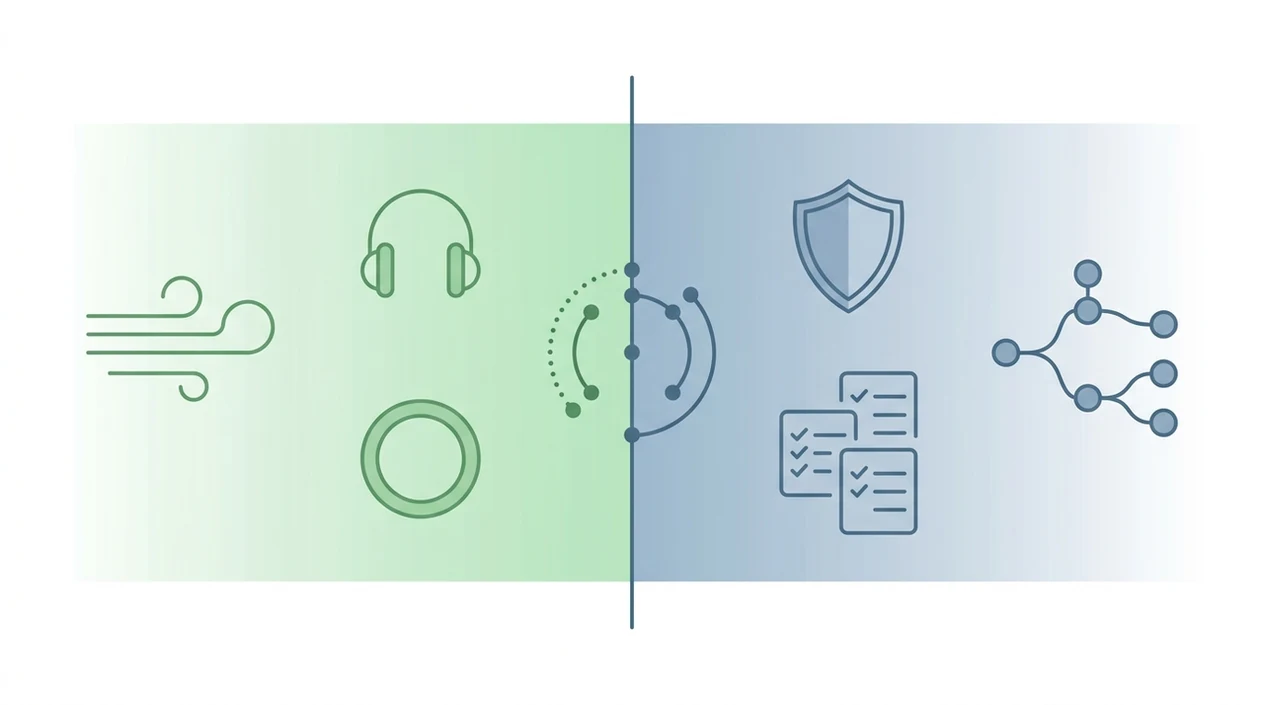
These five facts explain why app claims deserve a careful read before you rely on any pregnancy tool. I check the wording the same way I check a birth preference sheet: slowly, with the “what happens if this changes?” question in mind.
- A 2019 content analysis found that 28 of 29 pregnancy apps, or 97%, contained at least one medically inaccurate statement compared with national clinical guidelines source.
- A 2022 scoping review reported that 52% of reviewed pregnancy apps cited no health professional or clinical guideline as a source.
- A 2017 systematic review of mobile health apps found that only 39% of studies reported any clinical evaluation of the apps examined source.
- A 2016 review found that 62% of pregnancy self-monitoring apps gave advice not fully consistent with national guidelines.
- App store presence does not equal medical vetting, clinical accuracy, or formal regulatory approval.
Small screen. Big claims.
For pregnancy users, medically sourced content is often safer than popularity signals because ratings do not show whether advice matches clinical guidelines.

When a Contraction Timer Becomes a Regulated Pregnancy App Medical Device
Does a contraction timer become a regulated pregnancy app medical device? A simple timer that records contraction length and spacing is usually a wellness or tracking tool, but a timer that interprets labor and tells you when to seek care may cross into SaMD.
The trigger is often the claim. “Track contractions” is different from “tells you when to go to hospital.” That second phrase can sound useful at 2 a.m. when the contraction timer app keeps pinging and everyone is trying not to panic. It can also be unsafe if it delays a call to triage.
Contraction-timer tools should position timing as a record-keeping aid, not a clinical decision tool. If you want a deeper guide to that distinction, the question of whether a can contraction timer tell labor needs the same cautious answer: it can show a pattern, not diagnose labor.
App Store Badges vs. Formal Medical Device Approval for Health Apps
App store approval is not the same as medical device approval. Apple App Store and Google Play reviews mainly check technical performance, content rules, privacy disclosures, and platform policies, not whether labor advice is clinically safe.
ORCHA assessments can be useful because they review app quality against set criteria. Still, ORCHA is not a government regulator. A privacy seal is also separate from medical device compliance. GDPR can tell you something about data rights, but it does not prove a breathing exercise is effective or that a contraction feature is clinically valid.
To check formal status, look for a CE mark, UKCA mark, FDA listing, or manufacturer declaration of intended purpose. Then compare that claim with the app store description. If the store page sounds more medical than the legal page, pause. For data questions, pregnancy app privacy deserves its own check before you enter sensitive birth notes.
How to Check Whether a Hypnobirthing App Is Regulated
Use a short verification routine before trusting a pregnancy app with clinical-sounding claims. Do it before labor, not when your birth ball is beside the bed and your partner is timing practice surges.
- Look for a CE mark, UKCA mark, or FDA listing in the app’s legal, About, or safety section.
- Read the manufacturer’s intended purpose statement and underline any diagnosis, treatment, monitoring, or decision-making claim.
- Search MHRA or FDA device databases using the app name, developer name, and manufacturer name.
- Review whether pregnancy content cites named clinicians, clinical guidelines, or professional organizations.
- Separate privacy certifications from medical device approvals, because they answer different safety questions.
The most common medically supported way to use pregnancy apps is as preparation support combined with professional guidance, not as a replacement for maternity care. Keep your triage number in your phone contacts. Paper backup, too.
When to Seek Professional Help During Pregnancy or Labor
Seek professional help straight away if something feels urgent, unusual, or unsafe during pregnancy or labor. Maternity triage, your local birth unit, or emergency care should handle red-flag symptoms, not an app timer or a breathing prompt.
Reduced fetal movement, bleeding, severe pain, fever, waters breaking in a concerning way, or suspected labor complications all need real clinical advice. A contraction pattern on a screen can help you describe what is happening, but it cannot rule out risk, check your baby, assess bleeding, or decide whether home is still the right place.
- Follow the escalation instructions your midwife, doctor, hospital, or birth team gave you for your area.
- Call maternity triage or your emergency number if symptoms are urgent, worsening, or worrying.
- Describe what you are noticing clearly, including timing, movement changes, pain, bleeding, temperature, and any medical history.
- Use app notes only as supporting information, not as the decision-maker.
- Ask non-urgent questions before labor begins at routine appointments, antenatal classes, or planned messages to your care team.
Specific Claims About Regulation and Safety
The reviewed hypnobirthing app is a wellness tool offering guided meditation, breathing exercises, contraction timing, and birth affirmations for pregnancy and labor preparation. It does not claim to diagnose, treat, predict complications, or replace professional antenatal care.
The contraction timer is positioned as a tracking aid. It can help you record timing patterns, then share clear information with your midwife, doctor, doula, or hospital team. It should not be used as the deciding voice about whether to stay home, go in, or ignore symptoms. For that, follow local maternity guidance and your care team’s instructions about when to call hospital during labor.
Content is designed to sit alongside midwife and healthcare provider guidance. Data handling and privacy commitments should be read in the app’s current privacy materials, especially if you use ZenPregnancy or another related pregnancy tool.
What Health App Regulation Does Not Cover for Hypnobirthing Apps
Regulation does not guarantee that hypnobirthing techniques will work for your labor. It also does not promise less pain, fewer interventions, or a specific birth outcome.
Clinical evidence for hypnobirthing is still mixed. Some people find breathing, guided imagery, and relaxation helpful. Others want medication, more hands-on support, or a change in plan. Both can be sensible. The question of can hypnobirthing replace pain relief should be answered with your preferences, medical context, and care options in view.
Wellness apps can also change features, scripts, or claims without the same re-review process expected of regulated devices. Many products sit in a gray zone between lifestyle support and medical function. A soothing track with lavender oil on the bedside table may help you settle. But it is still practice support, not a guarantee.
Regulatory Sources Used for This Guide
This guide uses regulator materials to explain where wellness support ends and medical-device software may begin. The key point is that an app-store review, a privacy check, and medical-device approval are three separate gates.
For the United States, the FDA’s Software as a Medical Device material and general wellness policy help frame low-risk breathing, meditation, and tracking features: FDA SaMD and FDA general wellness guidance. For the UK, the MHRA guidance on medical-device software and apps explains when software may have a medical purpose: MHRA software and apps guidance. For the EU, the MDR definition of a medical device is the starting point for deciding whether software is intended for diagnosis, prevention, monitoring, prediction, prognosis, treatment, or alleviation of disease: EU MDR.
- Check the app’s stated intended purpose first.
- Compare store claims with the legal or safety page.
- Separate privacy, platform review, and medical-device status.
- Ask a qualified professional about clinical decisions.
This page is informational only and is not legal, medical, or regulatory advice.
Limitations
Hypnobirthing app regulation has real gaps, and users should not treat any app as the final authority during pregnancy or labor.
- Hypnobirthing apps, even regulated ones, are not substitutes for antenatal care, maternity triage, emergency services, or in-person assessment.
- Evidence for hypnobirthing effectiveness remains mixed and limited, especially for claims about pain, intervention rates, and birth outcomes.
- Digital health rules are changing, so an app’s regulatory status can shift when features or claims are updated.
- Some pregnancy apps may meet parts of a medical device definition without being clearly registered or marketed that way.
- A 2016 review found that 62% of pregnancy self-monitoring apps gave advice not fully consistent with national guidelines.
- Store ratings and user reviews reflect popularity, usability, or comfort, not clinical accuracy or regulatory compliance.
- No regulation can promise the birth you pictured.
That last one matters. Birth plans meet real bodies.
Read more
- About HypnoBirth App: Calm Birth Support
- Are Hypnobirthing Apps Safe
- Birth Partner Hypnobirthing App Guide
- App for Natural Birth Preparation: What to Choose
- Best Birth Meditation App for Calm Labor
- Best Contraction Timer App for iPhone: 2026 Guide
- Best Hypnobirthing App 2026: Top Picks
- Does Hypnobirthing Work for First Births? Guide
- Free Hypnobirthing App for iPhone: Calm Birth
- How to Start Hypnobirthing: Beginner Guide
- Hypnobirthing for C Section Prep: Calm Cesarean
- Hypnobirthing for First Time Moms: Calm Birth Prep
Best Hypnobirthing App for Regulation-Aware Birth Preparation
HypnoBirth App is a free hypnobirthing app designed for relaxation, confidence, and birth preparation without making medical claims. It is ORCHA NHS certified and used by 200k+ parents, making it a reassuring choice for people who want a trusted, wellbeing-focused hypnobirthing tool.
Best for
- Parents who want hypnobirthing support from a trusted app
- Using guided relaxation and breathing practice alongside professional maternity care
Limitations
- It does not replace advice from a midwife, doctor, or qualified healthcare professional
- It is not intended to diagnose, monitor, treat, or prevent medical conditions
Frequently Asked Questions
Are hypnobirthing apps regulated as health apps?
Hypnobirthing apps are not automatically regulated as health apps. Regulation depends on what the app claims to do, what data it collects, and whether any feature could be considered a medical device, such as diagnosing, monitoring, or treating a condition.
When is a hypnobirthing app considered a medical device?
A hypnobirthing app is more likely to be considered a medical device if it claims to diagnose, prevent, monitor, predict, or treat a medical condition. General relaxation, education, breathing practice, and birth preparation content is usually treated differently from clinical decision-making or treatment functions.
Do hypnobirthing apps need approval from the NHS or MHRA in the UK?
Hypnobirthing apps do not usually need NHS or MHRA approval if they provide general wellbeing, education, or relaxation support. If an app makes medical claims or functions as medical device software, it may need to meet UK medical device rules and regulatory requirements.
Are hypnobirthing apps safe to use during pregnancy?
Hypnobirthing apps are generally used as a relaxation and education tool during pregnancy. They should not replace antenatal care, medical advice, or urgent help from a midwife or doctor if you have pain, bleeding, reduced fetal movements, or any worrying symptoms.
Can a hypnobirthing app help with pregnancy anxiety?
A hypnobirthing app can support pregnancy anxiety by offering breathing, relaxation, affirmations, and guided practice. It is not a substitute for mental health care, so speak to your midwife, GP, or a qualified professional if anxiety feels intense, persistent, or affects daily life.
Can I start hypnobirthing at 38 weeks with an app?
Yes, you can start hypnobirthing at 38 weeks with an app. Short daily practice can still help you learn breathing, relaxation cues, and confidence techniques before birth, although earlier practice gives more time to build familiarity.
Is a hypnobirthing app enough for first-time mums?
A hypnobirthing app can be enough for some first-time mums who want flexible, self-paced birth preparation. Others may prefer a live class, midwife-led antenatal education, or one-to-one support, especially if they have extra concerns or a more complex pregnancy.
Is a hypnobirthing app better than a hypnobirthing class?
A hypnobirthing app is better for flexibility, affordability, and practising at home, while a class is better for live teaching and personalised questions. The best choice depends on your budget, schedule, learning style, and whether you want direct feedback from an instructor.
Can I use a hypnobirthing app if I plan to have an epidural?
Yes, you can use a hypnobirthing app if you plan to have an epidural. Hypnobirthing techniques can still support calm breathing, decision-making, positioning, rest, and confidence before and after pain relief is used.
Do hypnobirthing apps collect sensitive health data?
Some hypnobirthing apps collect sensitive health or pregnancy-related data. Check the privacy policy to see what data is collected, why it is used, whether it is shared, and how you can delete or manage your information.
What should I check before downloading a hypnobirthing app?
You should check the app’s claims, privacy policy, evidence basis, instructor credentials, reviews, and whether it gives clear safety guidance. Be cautious with apps that promise guaranteed birth outcomes, replace medical advice, or use unclear data-sharing practices.
Can a regulated hypnobirthing app guarantee an easier birth?
No, a regulated or well-designed hypnobirthing app cannot guarantee an easier birth. Birth is affected by many medical, emotional, and practical factors, so hypnobirthing should be viewed as supportive preparation rather than a promise of a specific outcome.