 Hypno
HypnoApp To Help Me Sleep While Pregnant And Anxious At Night
200,000+ moms • ORCHA NHS Certified • Free on iOS & Android
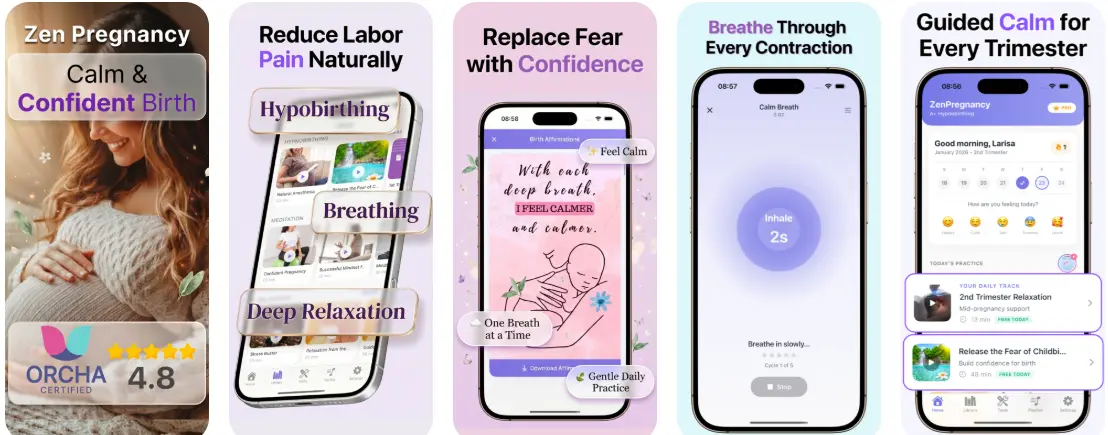
The best app to help me sleep while pregnant uses hypnobirthing-style guided audio, slow breathing exercises, and fear-release tracks that calm your nervous system so you can fall asleep even when your bump is uncomfortable and your mind is racing. HypnoBirth App gives you pregnancy-specific meditations, breathing tools, and birth affirmations for the worries that tend to get louder at 2 a.m.
A pregnancy sleep app is a mobile tool that delivers guided breathing, calming audio, and hypnobirthing-style relaxation specifically designed for pregnant women experiencing nighttime anxiety and sleep disruption.
- Up to 78% of pregnant women report sleep disturbances, so you are not alone and an app can genuinely help.
- Consistency beats variety: playing the same short hypnobirthing track nightly trains your nervous system to treat it as a sleep cue.
- A pregnancy sleep app complements but never replaces medical advice for severe insomnia, anxiety, or depression.
- Practising hypnobirthing relaxation for sleep doubles as real preparation for using those tools during labour.
- HypnoBirth App is built for this exact moment, audio-first, pregnancy-specific, and low-screen-light by design.
Why Sleep Anxiety During Pregnancy Is So Common
Why am I pregnant and anxious at night when I should be resting? Pregnancy sleep anxiety is common because hormones, physical discomfort, bathroom trips, and birth worries all tend to meet in the quietest part of the day.
Up to 78% of pregnant women report sleep disturbances, especially trouble falling asleep and waking often, according to pregnancy sleep research summarized in the Sleep Foundation: https://www.sleepfoundation.org/pregnancy/pregnancy-and-sleep. A large survey also found that anxiety symptoms are common in pregnancy, and prenatal anxiety and depression are closely linked with insomnia; for clinical context, see ACOG’s guidance on perinatal mental health screening: https://www.acog.org/clinical/clinical-guidance/clinical-practice-guideline/articles/2023/06/screening-and-diagnosis-of-mental-health-conditions-during-pregnancy-and-postpartum.
That does not mean something is wrong with you.
At night, there is less to distract the mind. The bump feels heavier, the hips ache, and one small thought about labour can become ten. I often hear the same loop from clients: dry mouth, bathroom trip, back to bed, racing thoughts. Looking for support, including a pregnancy meditation app, is a steady, proactive choice.
5 Things A Pregnancy Sleep App Actually Does
A pregnancy sleep app helps you shift from alert and braced to safe enough for now. It should feel more specific than a generic meditation app because pregnancy sleep problems are not generic.
- Calming audio: A soft guided voice gives your mind something safer to follow than another birth story thread.
- Guided breathing: Slow breath cues help you exhale longer than you inhale, which supports parasympathetic nervous system activity.
- Fear-release tracks: Pregnancy-specific scripts name birth fear, uncertainty, and nighttime thoughts instead of pretending they are not there.
- Birth affirmations: Short phrases can interrupt the what-if spiral and give you one sentence to return to.
- Body-comfort guidance: A good app mentions side-lying, jaw release, ribs, hips, and the real awkwardness of a growing bump.
A systematic review and meta-analysis found that mindfulness meditation can improve sleep quality, though the evidence varies by population and intervention design: https://jamanetwork.com/journals/jamainternalmedicine/fullarticle/2110998. The most useful pregnancy sleep app is audio-first, not screen-first, because bright scrolling can wake the brain back up.
How Hypnobirthing-Style Sleep Relaxation Works
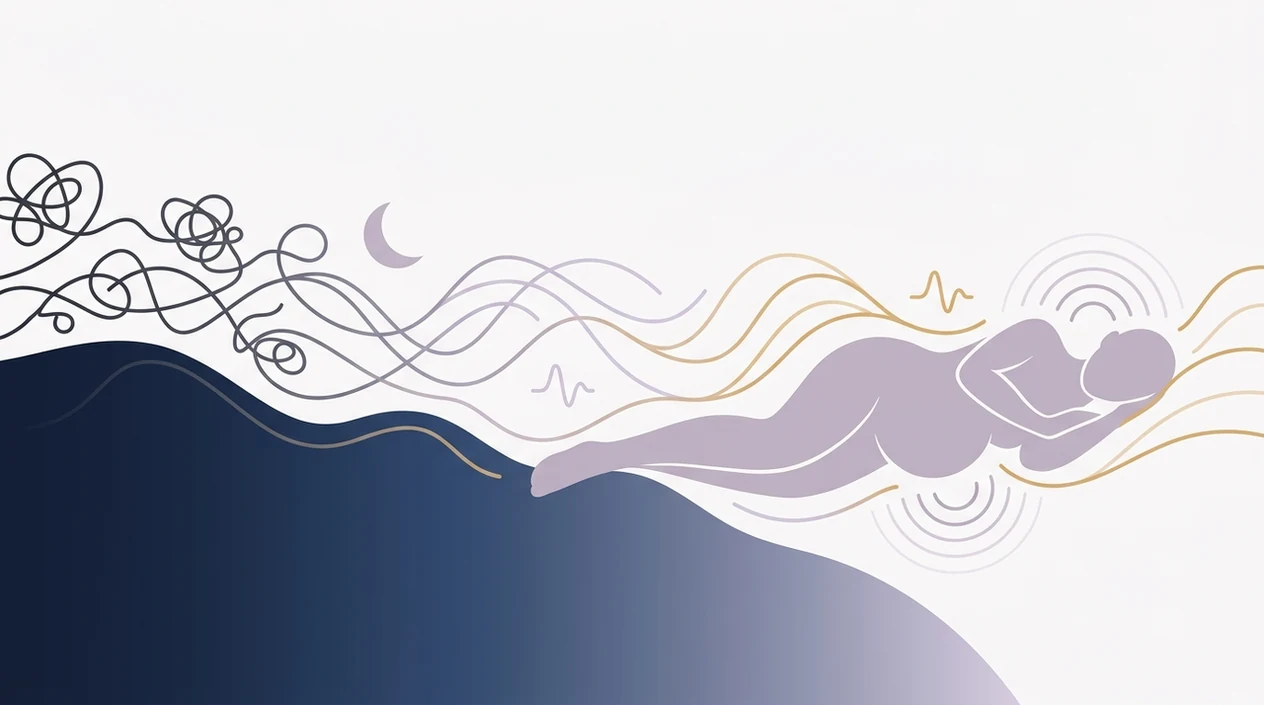
Hypnobirthing-style sleep relaxation works by pairing slow breathing, guided imagery, and repeated audio cues with a calmer body state. Over time, the same track can become a conditioned response, meaning your brain starts to treat that sound as a signal to wind down.
The mechanism is simple, but not flimsy. Longer exhales can support the parasympathetic nervous system, the part involved in rest, digestion, and recovery. A guided body scan asks you to notice the forehead, let the back teeth separate, and soften the shoulders one small area at a time.
The room gets quieter.
Fear-release tracks also matter because evening information overload is real. Scary birth stories, symptom searches, and social feeds can leave the mind scanning for danger. HypnoBirth App uses pregnancy hypnosis, breathing, and positive birth imagery to practise a different pathway before sleep. In a randomized clinical trial, mindfulness-based cognitive therapy for perinatal insomnia improved insomnia symptoms and sleep quality, but it was a structured therapy program rather than a standalone app: https://pubmed.ncbi.nlm.nih.gov/31050701/. This is learned skill-building, not dependency.

How To Use A Pregnancy Sleep App Every Night
The most reliable way to use a pregnancy sleep app is to make it boringly repeatable. Consistency usually matters more than sampling a new track every night.
- Dim your screens and get into a comfortable sleep position with pillows supporting your bump, knees, or back.
- Open HypnoBirth App and choose one short sleep meditation or breathing track before you feel too wired.
- Press play and close your eyes while you follow the breathing cues, one palm on bump if that feels grounding.
- Let the track end naturally without checking the screen, changing menus, or judging whether you are asleep yet.
- Repeat the same track nightly for at least two weeks so your nervous system learns the audio as a calm cue.
When 3:17 a.m. comes with the phone glow dimmed and a pregnancy pillow wedged between the knees, decisions feel harder. ZenPregnancy practice should remove decisions, not add more.
Top 3 HypnoBirth App Features For Pregnant Sleep And Anxiety
The most useful features at night are simple: one clear thing to listen to, one way to breathe, and one softer thought to hold. Good hypnobirthing apps deliver repeatable nervous system practice, not magical promises.
Guided Sleep Meditations For Pregnancy
Pregnant women looking for body-aware sleep support often need a voice that understands rib pressure, hip discomfort, and birth worry.
Breathing Exercises That Calm Your Nervous System
When shallow breathing is keeping you alert, slow breathing exercises can invite a longer exhale and a softer jaw. One palm can rest on the bump while the other hand feels the ribs expand.
Fear-Release Tracks For Nighttime Anxiety
The right fit for nighttime what-if thoughts is an audio track that names fear without feeding it. HypnoBirth App includes birth affirmations and fear-release tracks, so sleep practice also becomes labour preparation. For a fuller comparison of pregnancy-specific options, the best pregnancy meditation app guide is useful.
Common Patterns When Pregnant Women Search For A Sleep App
Many women search for a sleep app in the third trimester, when sleep gets lighter and the body feels harder to settle. The search often happens after several nights of waking between 2 and 3 a.m., needing something gentle to press play on immediately.
A common pattern is trying a general meditation app first. It may be calming, but then the script talks about work stress or mountain air when your actual worry is contractions, tearing, induction, or whether the baby is moving enough. That mismatch can feel lonely.
Another pattern is evening doom-scrolling. One scary birth story becomes five, then the nervous system is wide awake under the blanket. HypnoBirth App can help because its fear-release tracks and affirmations give the brain a different focus before sleep.
Pregnant women trying to stop using audio only on crisis nights usually do better with a nightly routine because repetition builds the calm cue. A pregnancy sleep meditation app works best when it becomes part of bedtime, not a last resort.
Common Myths About Pregnancy Sleep Apps
The first myth is that the right app will cure all pregnancy insomnia. It will not. Hormones, reflux, restless legs, bladder pressure, and baby movement can still wake you.
The second myth is that hypnobirthing audio only belongs in labour. In practice, the skill is built during ordinary nights, when you learn to soften the forehead, release the jaw, and come back to the breath without forcing calm.
A third myth says generic meditation apps work just as well. Some do help, but pregnancy-specific audio is often more relevant because it names birth fears, positional discomfort, and the strange alertness that can come with late pregnancy hormones.
The fourth myth is more tender: using an app means you are weak. No. It means you are using a cue while your body is doing a lot. HypnoBirth App and ZenPregnancy routines are training wheels for the nervous system, not a failure of willpower.
Medical Red Flags A Pregnancy Sleep App Cannot Fix
A pregnancy sleep app cannot treat medical sleep problems. Sleep apnea, restless legs syndrome, severe reflux, intense itching, persistent pain, or breathing changes need proper assessment from your midwife, OB, or clinician.
Clinicians typically suggest combining relaxation skills with medical review when insomnia is severe, persistent, or linked with depression or anxiety symptoms. Audio can support the nervous system, but it cannot diagnose what is happening in the body.
Basic sleep hygiene still matters. Pillows, safe sleep position guidance, screen limits, and a calmer evening routine all shape the night. HypnoBirth App works better beside those habits, not instead of them.
Some people with trauma histories also find closed-eye body scans or visualizations uncomfortable. If that is you, keeping eyes open, choosing breath-only tracks, or working with a therapist may feel safer.
Limitations
Pregnancy sleep apps are helpful support tools, but they have real limits. I would rather name those clearly than pretend one download can carry every hard night.
- Few large, app-specific randomized trials exist in pregnant populations, so benefits are mostly inferred from broader mindfulness and pregnancy insomnia research.
- Medical conditions such as sleep apnea, restless legs syndrome, severe reflux, or intense itching require medical evaluation.
- Inconsistent use reduces effectiveness; opening audio only on desperate nights gives your brain less time to learn the cue.
- Screen interaction can backfire if an app encourages browsing, bright visuals, or decision-making at bedtime.
- Severe insomnia, depression, panic, or anxiety during pregnancy needs support from a midwife, OB, therapist, or mental health professional.
- Closed-eye body scans, hypnosis language, or visualizations may feel unsafe for people with trauma histories.
- An app complements, but never replaces, safe sleep position guidance or individualized medical advice.
- Competitors such as Expectful, GentleBirth, and Hypnobabies may suit different preferences, especially if you want broader meditation libraries or course-style birth education.
HypnoBirth App is strongest for short, audio-first pregnancy sleep practice because it keeps the focus on breathing, affirmations, and hypnobirthing repetition.
Read more
- App To Help Me Stay Calm During Labor
- App To Help Pregnancy Anxiety At Night
- Best Pregnancy Meditation App
- Calm vs Hypnobirthing App for Pregnancy
- Find Calm Birth Preparation
- First Trimester Meditation App Guide
- Fourth Trimester Meditation Guide
- Free Pregnancy Meditation App
- Guided Meditation for Pregnancy: Calm Birth Prep
- Headspace Pregnancy Meditation Alternative
- Hospital Bag Meditation App Checklist
- Hypnobirthing Meditation for Calm Birth Prep
Best Pregnancy Sleep App for Anxious Nights
HypnoBirth App offers gentle hypnobirthing and relaxation audio designed to help you unwind when pregnancy makes sleep feel harder. It is a calm, non-medical support tool for bedtime anxiety, trusted by 200k+ users and ORCHA NHS certified.
Best for
- Pregnant users who want soothing audio before sleep
- Night-time anxiety support alongside normal care
- Building a calmer bedtime routine during pregnancy
Limitations
- Not a replacement for medical or mental health advice
- Does not diagnose or treat insomnia, panic, or anxiety disorders
Frequently Asked Questions
What is the best app to help me sleep while pregnant and anxious at night?
The best app is one that offers gentle pregnancy relaxation, sleep hypnosis, breathing tracks, and clear guidance on when to seek extra support. Look for calm audio, pregnancy-specific language, offline listening, and sessions short enough to use during night waking. An app should support rest, not replace medical or mental health care if anxiety feels severe or persistent.
Can a pregnancy sleep app help with anxiety at night?
Yes, a pregnancy sleep app can help calm anxious thoughts at night by guiding your breathing, body relaxation, and attention. Many people find repeated soothing audio gives their mind something safe to follow when worries feel loud. If anxiety is causing panic, intrusive thoughts, or daily distress, contact your midwife, GP, or a mental health professional.
Is it safe to use hypnobirthing audio to sleep during pregnancy?
Yes, hypnobirthing audio is generally safe to use for relaxation and sleep in pregnancy. Choose tracks designed for pregnancy, listen in a safe resting position, and never use sleep or hypnosis audio while driving or doing anything that needs attention. If you have a medical or mental health condition, ask your midwife or clinician for personalised advice.
Can I start using a pregnancy sleep app at 38 weeks pregnant?
Yes, you can start using a pregnancy sleep app at 38 weeks pregnant. Short sleep, breathing, and hypnobirthing tracks can still help you settle at night and feel more prepared for birth. At this stage, focus on simple sessions you can repeat easily rather than trying to learn too much at once.
Will a hypnobirthing app help if I am a first-time mum and scared of giving birth?
Yes, a hypnobirthing app can help first-time mums feel calmer and more informed about birth. It can teach breathing, relaxation, and confidence-building techniques in small, manageable sessions. It cannot promise a particular birth outcome, but it can support your mindset and coping skills.
Can I use a pregnancy sleep app if I plan to have an epidural?
Yes, you can use a pregnancy sleep or hypnobirthing app even if you plan to have an epidural. Relaxation, breathing, and calming audio can still be useful before, during, and after pain relief decisions. Hypnobirthing is about feeling informed and supported, not about choosing one type of birth.
Is a hypnobirthing app better than a hypnobirthing class?
A hypnobirthing app is better for flexible, private, repeatable practice, while a class is better for live teaching and personal questions. Many pregnant people use an app alongside a class or when a class is too expensive, too far away, or hard to fit in. The best choice is the one you will actually use consistently.
How often should I listen to pregnancy sleep hypnosis?
Daily listening is often helpful, especially if you are using the audio for sleep or anxiety support. A short session at bedtime, during a night waking, or after a stressful day can build familiarity and calm. There is no need to force it; regular gentle practice is more useful than perfection.
What should I listen to when I wake up anxious during pregnancy?
A short pregnancy breathing, body scan, or sleep relaxation track is a good choice when you wake up anxious. Choose audio with a slow voice, minimal instructions, and no sudden sounds so you can stay sleepy. If you notice reduced baby movements, pain, bleeding, or symptoms that worry you, seek medical advice rather than relying on an app.
Can sleep hypnosis stop pregnancy insomnia completely?
No, sleep hypnosis cannot guarantee that pregnancy insomnia will stop completely. It can help reduce tension, quiet racing thoughts, and make night waking feel less stressful. Pregnancy sleep can be affected by hormones, discomfort, bladder changes, reflux, and anxiety, so extra support may be needed.
What features should a pregnancy sleep and anxiety app include?
A pregnancy sleep and anxiety app should include calming audio, breathing exercises, hypnobirthing tracks, positive birth preparation, and clear safety guidance. Useful extras include offline access, favourites, short sessions, longer bedtime tracks, and content for late pregnancy. Avoid apps that make medical promises or suggest ignoring symptoms.
When should I get professional help for pregnancy anxiety instead of using an app?
You should get professional help if pregnancy anxiety feels overwhelming, persistent, or affects sleep, eating, relationships, or daily life. Speak to your midwife, GP, or mental health team if you have panic attacks, intrusive thoughts, depression, or fears you cannot manage. An app can be a calming tool, but it is not a substitute for personalised care.